Reclaiming Your Energy: A Guide to Iron, B12, and Vitamin D for Women

Feeling constantly exhausted? Many women are low in iron, B12, or vitamin D. Discover how these essential energy nutrients impact your well-being, how to spot the signs of a gap, and gentle ways to nourish your body back to balance.
Have you ever found yourself staring at your coffee cup at 3:00 PM, wondering how you are going to make it through the rest of the day? If so, you are certainly not alone. In our fast-paced modern world, feeling tired has almost become a default state. We often blame our exhaustion on busy schedules, the demands of caregiving, stressful jobs, or simply not getting enough sleep.
While lifestyle factors absolutely play a role in how we feel, sometimes the root of our fatigue isn't just a full calendar—it is physiological. Many women find that despite their best efforts to rest, hydrate, and manage stress, a deep, lingering exhaustion remains. When this happens, it is often worth looking inward at the micronutrients that fuel our cells.
Every woman's body and life is different, and there is no single reason for fatigue. However, research suggests that three specific nutrient gaps disproportionately affect women's energy levels: Iron, Vitamin B12, and Vitamin D. These three nutrients act as the spark plugs for our cellular engines. When they run low, our energy plummets, our mood shifts, and our brain feels foggy.
Let's take a gentle, supportive look at these three vital nutrients. We will explore why they matter, how to recognize when you might need more of them, and how to nourish your body back to a state of balance—without strict rules or one-size-fits-all advice.
Iron: The Essential Oxygen Carrier
Iron is a foundational mineral for human life. Its primary job is to help create hemoglobin, the protein in red blood cells that carries oxygen from your lungs to every single tissue, organ, and muscle in your body. When iron levels drop, your body struggles to deliver this vital oxygen, leaving you feeling profoundly depleted.
Why Women Often Need More Iron
Women of reproductive age are particularly vulnerable to iron deficiency. Because we lose blood during our monthly menstrual cycles, we simultaneously lose iron. If you experience heavy periods, your iron stores can become depleted much faster than you can replenish them through food alone. Additionally, the demands of pregnancy significantly increase the body's need for iron to support a growing baby.
Signs You Might Be Low in Iron
Iron deficiency exists on a spectrum, from mildly depleted stores to full-blown anemia. You might notice:
- Persistent, heavy fatigue that doesn't improve with sleep
- Unusual shortness of breath, even during light exertion like climbing stairs
- Cold hands and feet
- Dizziness or lightheadedness when standing up
- Brittle nails or increased hair shedding
- A pale appearance in your skin, gums, or the inside of your lower eyelids
Gentle Ways to Nourish Your Iron Levels
If you suspect an iron gap, the first step is always bringing it to your healthcare provider's attention. You might try asking for a full iron panel, which importantly includes ferritin (the stored form of iron), rather than just a standard hemoglobin test.
When it comes to food, there are two types of iron: heme (found in animal products) and non-heme (found in plants). Heme iron is more readily absorbed by the body, but non-heme iron is still incredibly valuable.
- Heme sources: Red meat, poultry, fish, and shellfish.
- Non-heme sources: Lentils, chickpeas, pumpkin seeds, spinach, and quinoa.
To maximize absorption, especially from plant-based sources, you might try pairing iron-rich foods with a source of Vitamin C. A squeeze of fresh lemon juice over a spinach salad, or enjoying some strawberries after a bowl of lentil soup, can help your body utilize the iron much more effectively. If your doctor recommends a supplement, look for gentle, easily absorbed forms like iron bisglycinate, which are less likely to cause the digestive upset often associated with traditional iron pills.
Vitamin B12: The Nerve and Energy Nourisher
While iron helps carry oxygen, Vitamin B12 is busy working at the cellular level. This essential water-soluble vitamin is crucial for red blood cell formation, DNA synthesis, and the healthy functioning of your brain and nervous system. It is literally the nutrient that helps convert the food you eat into usable cellular energy.
Why B12 Gaps Happen
Vitamin B12 is unique because it is almost exclusively found naturally in animal products. For women who lean toward vegetarian or fully plant-based eating, B12 gaps are quite common unless they are intentionally consuming fortified foods or supplementing.
But diet isn't the only factor. To absorb B12, your stomach must produce a protein called "intrinsic factor." As we age, or if we experience chronic stress, gut inflammation, or take certain medications (like antacids), our digestion can become compromised. This means you could be eating plenty of B12-rich foods but struggling to actually absorb the nutrient.
Signs You Might Be Low in B12
Because B12 is so intimately tied to the nervous system, a deficiency can feel quite alarming. Symptoms often include:
- "Brain fog," memory issues, or difficulty concentrating
- A tingling or "pins and needles" sensation in your hands or feet
- Muscle weakness or feeling physically unsteady
- Mood changes, including unexplained feelings of sadness or anxiety
- A smooth, red, or sore tongue
Supporting Your B12 Levels
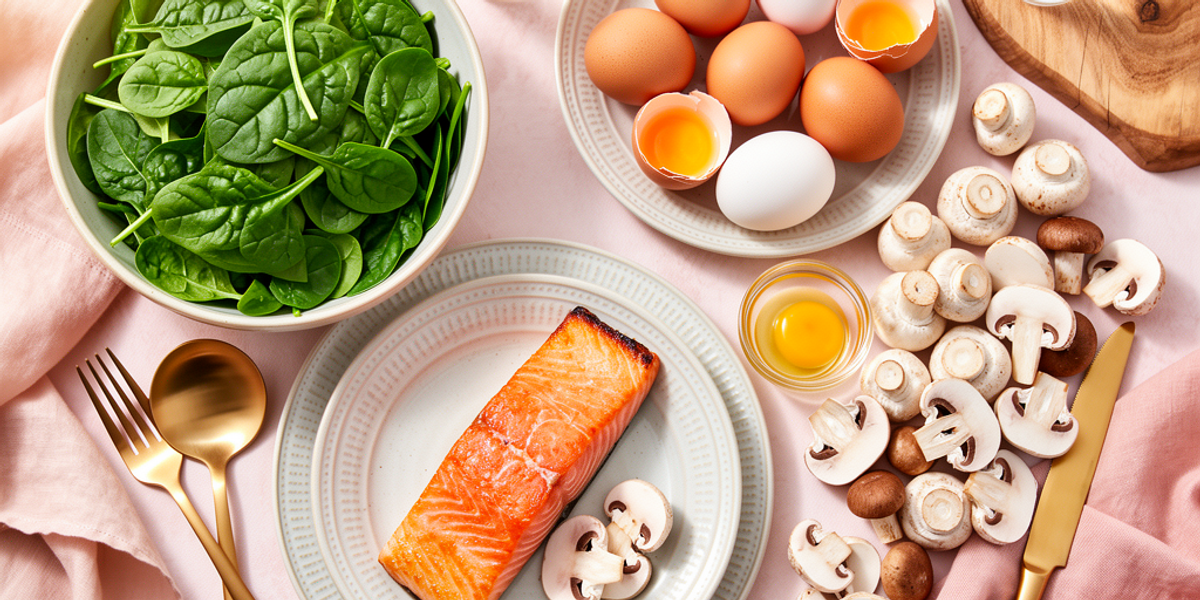
If you eat animal products, incorporating foods like eggs, dairy, salmon, nutritional yeast, and lean meats can support your B12 intake. For plant-based eaters, fortified plant milks and high-quality nutritional yeast are wonderful additions to your pantry.
If blood tests reveal a deficiency, supplementation is usually the most effective route. Many women find that sublingual B12 drops or lozenges (which dissolve under the tongue) are highly effective because they bypass the digestive tract and enter the bloodstream directly. Look for the "methylcobalamin" or "adenosylcobalamin" forms of B12, which are the active forms that your body can use immediately.
Vitamin D: The Sunshine Hormone
Though we call it a vitamin, Vitamin D actually functions as a hormone in the body. Every single cell in your body has a receptor for Vitamin D, which speaks volumes about its importance. It is vital for bone health, immune function, mood regulation, and yes—energy production in the mitochondria (the powerhouses of your cells).
Why We Struggle to Get Enough
Research suggests a significant portion of the population is deficient in Vitamin D. Historically, humans spent most of their days outdoors, allowing their skin to synthesize Vitamin D from the sun's UVB rays. Today, modern life keeps us indoors at desks, in cars, and inside our homes. When we do go outside, we (rightfully) apply sunscreen to protect our skin, which simultaneously blocks Vitamin D production.
Furthermore, if you live in the northern hemisphere (above the 37th parallel), the sun simply isn't strong enough during the autumn and winter months to trigger Vitamin D synthesis, no matter how much time you spend outside.
Signs You Might Be Low in Vitamin D
Vitamin D deficiency can be stealthy, often creeping up as a general sense of malaise. You might experience:
- Frequent fatigue and a heavy, lethargic feeling
- Bone or lower back pain
- Muscle aches or cramps
- A noticeable dip in your mood, particularly during the darker winter months (often associated with Seasonal Affective Disorder)
- Getting sick more often than usual, as Vitamin D is crucial for immune defense
Bringing the Sunshine In
Unlike iron and B12, it is very difficult to get adequate Vitamin D through food alone. While fatty fish (like salmon and mackerel), egg yolks, and fortified mushrooms contain some Vitamin D, the amounts are usually too small to correct a deficiency.
Getting 10 to 15 minutes of unprotected sun exposure on your arms and legs during the midday sun (before applying sunscreen) can be helpful during the summer months, depending on your skin type and location. However, for most women, supplementation is the most reliable way to maintain healthy levels year-round.
When choosing a supplement, you might try looking for Vitamin D3 (cholecalciferol), which is more effective at raising blood levels than D2. Many experts also recommend taking Vitamin D3 alongside Vitamin K2, as they work synergistically to ensure calcium is directed into your bones rather than your arteries.
A Compassionate Approach to Testing and Care
If reading through these symptoms resonates with you, please be gentle with yourself. It is incredibly common to experience these nutrient gaps, and recognizing them is the first empowering step toward feeling better.
Rather than guessing and buying a handful of supplements, the most supportive action you can take is to request bloodwork from your healthcare provider. You have every right to advocate for your well-being. A simple script you might use is: "I have been experiencing a lot of fatigue and brain fog lately. Before we assume it is just stress, I would love to run a full iron panel including ferritin, as well as check my Vitamin B12 and Vitamin D levels."
Remember that "normal" lab ranges are very broad, and what is considered normal might not be optimal for your unique body. If your results come back at the very bottom of the normal range and you are still feeling exhausted, it is worth having a conversation with your provider about whether gentle supplementation could help you reach a more optimal state.
Moving Forward with Grace
Navigating fatigue can be an emotional journey. When you are running on empty, even the thought of scheduling a doctor's appointment or tweaking your meals can feel overwhelming. Take it one small, manageable step at a time.
Every woman's body and life is different. There is no moral value attached to needing a supplement, nor is there a "perfect" way to eat. The goal is simply to support your beautiful, hardworking body so that you have the vitality to engage in the life you love.
If you are feeling depleted, consider this your gentle, encouraging nudge to pause, listen to what your body is asking for, and seek the support you deserve. You don't have to accept exhaustion as your baseline. By tending to your foundational nutrients—Iron, B12, and Vitamin D—you can begin the rewarding process of reclaiming your energy and feeling at home in your body once again.