The Power of Micro-Rests: How 5-Minute Recharges Can Transform Your Day

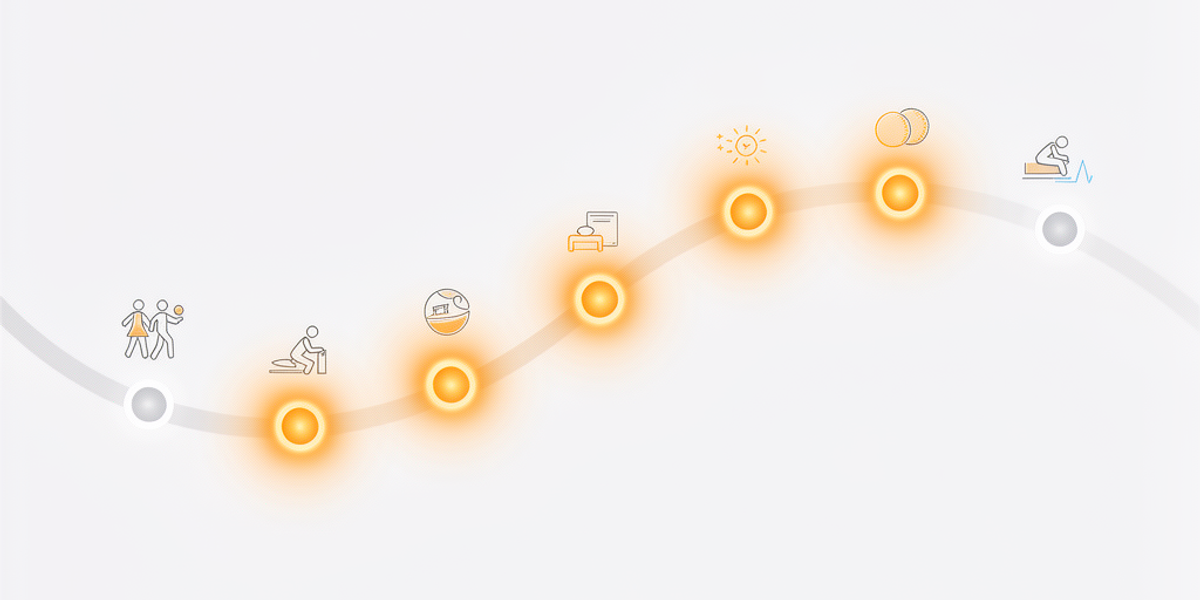
Discover the power of micro-rests. These strategic 5-minute pauses can prevent energy depletion and help you find balance. Learn gentle, science-backed ways to recharge your body and mind throughout your busy day.
We have all been there—staring at a glowing screen, feeling that familiar afternoon slump creeping into our bones, yet pushing through because the to-do list feels endless. As women, we often carry invisible, heavy mental loads. We are experts at juggling professional demands, family needs, personal obligations, and community care. When we finally acknowledge our exhaustion, society frequently prescribes "self-care" in the form of expensive spa weekends, hour-long meditation classes, or rigid morning routines.
But what if finding a sense of balance isn't about adding another massive, time-consuming task to your already overflowing plate? What if protecting your peace and sustaining your energy is actually about strategically pausing for just five minutes at a time?
Welcome to the gentle, transformative power of micro-rests.
Why We Resist the Pause
Before we dive into how to take these mini-breaks, it is important to acknowledge why resting feels so difficult in the first place. Many of us have been conditioned by a culture of toxic productivity that equates our worth with our output. We are subtly (and sometimes overtly) taught that resting is a reward we must "earn" only after all the work is done. But the work is rarely, if ever, completely done.
Every woman's body and life is different, and the pressures you face are unique to your circumstances. A neurodivergent woman managing sensory overload, a mother navigating the unpredictable rhythms of a toddler, and a corporate professional facing back-to-back meetings all experience different types of fatigue. Yet, the pressure to keep pushing remains a common thread.
It is entirely valid if the idea of taking a break feels uncomfortable at first. But a micro-rest is not about stopping your day; it is about sustaining your capacity to live it. These breaks are not a magic cure for systemic burnout or unmanageable workloads, but they are a vital life raft for your nervous system.
The Science of the Micro-Rest
We often treat ourselves like smartphones, expecting to run at 100% battery all day until we crash into bed to recharge. However, human beings are biological creatures driven by natural rhythms.
Research suggests that our brains are simply not wired for continuous, unbroken focus. We operate on ultradian rhythms—cycles that last roughly 90 to 120 minutes. At the end of these cycles, our bodies send us subtle signals that we need a break: wandering thoughts, a sudden craving for sugar or caffeine, restlessness, or a dip in mood.
When we ignore these signals and push through, we trigger our sympathetic nervous system (our fight-or-flight response). Over time, this leads to chronic energy depletion. Micro-rests act as strategic pressure release valves. By taking just three to five minutes to shift your state, you can interrupt the stress cycle, lower cortisol levels, and prevent that end-of-day exhaustion where you feel too tired to even sleep.
4 Ways to Integrate 5-Minute Recharges
There is no one-size-fits-all approach to resting. What feels deeply restorative to one person might feel frustrating to another. The goal is to build a personal toolkit of micro-rests that you can draw from depending on what you need in a given moment. Here are four types of recharges you might try.
1. The Visual Reset: Soothing Your Eyes
If you spend your days looking at laptops, smartphones, or even reading documents, your eyes are constantly working to maintain focus at a close distance. This visual strain doesn't just cause dry eyes or headaches; it contributes significantly to full-body fatigue.
Research suggests that adopting the "20-20-20 rule" can be incredibly beneficial: every 20 minutes, look at something 20 feet away for 20 seconds. But for a true micro-rest, you can take this a step further.
How to practice it: Step away from your screens entirely for five minutes. You might try "palming"—a gentle technique where you briskly rub your hands together to create warmth, then softly cup your palms over your closed eyes without applying pressure. Let the darkness soothe your optic nerve. Alternatively, simply stand by a window and let your gaze soften, taking in the widest panoramic view possible. This broad, unfocused gaze actually signals to your nervous system that you are safe, helping to naturally lower your heart rate.
2. The Physical Reset: Releasing Held Tension
Stress doesn't just live in our minds; it takes up residence in our bodies. You might notice your shoulders creeping up toward your ears, your jaw clenching, or your breathing becoming shallow as the day progresses.
It is important to note that a physical reset is not about burning calories, "getting steps in," or modifying your body. We want to leave diet culture language entirely out of our resting practices. Instead, this is about comfort, mobility, and feeling at home in your own skin.
How to practice it: Many women find that taking five minutes to gently mobilize their joints works wonders. Stand up and do a few slow neck rolls. Reach your arms overhead and take a deep stretch, yawning intentionally (yawning is a fantastic way to reset the nervous system). Try a gentle spinal twist in your chair, or simply lie flat on the floor for five minutes with your knees bent, allowing the ground to completely support your spine. Listen to what your unique body is craving—maybe it’s movement, or maybe it’s absolute stillness.
3. The Environmental Reset: Fresh Air Pauses
When we stay in the same room for hours on end, our sensory input becomes stagnant. The air gets stale, the lighting remains artificial, and our energy drops. Changing your environment, even slightly, can provide a rapid psychological and physiological reset.
How to practice it: If you are able, step outside. You don't need to go for a brisk walk; just stand on your porch, balcony, or office steps. Feel the temperature of the air on your skin. Notice the sensation of the wind or the warmth of the sun. If going outside isn't accessible or safe, simply open a window. Take five minutes to breathe in the fresh air and listen to the sounds outside. Research suggests that even brief moments of connection with nature can significantly reduce mental fatigue and improve mood.
4. The Mental Reset: Mindful Transitions
One of the most exhausting parts of a modern woman's day is the constant context switching. We jump from a stressful work meeting straight into organizing a family schedule, or from caring for an aging parent right into answering emails. These abrupt shifts leave a "residue" of stress from the previous task, which we carry into the next.
How to practice it: Use micro-rests to create mindful transitions—little buffer zones between the different roles you play. When you finish your workday, take five minutes before you leave your desk or your car. Close your eyes and take three deep, slow breaths. Acknowledge that the work portion of your day is ending. You might try visualizing yourself taking off a "work hat" and putting on your "home hat." This brief pause gives your brain the time it needs to close one mental tab before opening another, allowing you to show up to your next task with more presence and less residual anxiety.
How to Make Micro-Rests Happen (Without Adding Stress)
The irony of trying to rest is that sometimes, scheduling the rest becomes just another stressful item on our to-do lists. To prevent this, approach micro-rests with deep self-compassion and flexibility.
Instead of overhauling your entire schedule, try "habit stacking." This means attaching a micro-rest to a habit you already do every day. For example, while you wait for your morning coffee to brew or your tea water to boil, use those three minutes to do a physical reset instead of scrolling on your phone. When you use the restroom, take one extra minute to wash your hands mindfully, noticing the temperature of the water and the scent of the soap, before rushing back out.
If you struggle to remember to pause, you might try setting gentle reminders. Avoid jarring, blaring alarms that spike your adrenaline. Instead, use a soft chime on your phone or a visual cue, like a sticky note on your monitor that simply says, "Breathe," or "Drop your shoulders."
Remember, some days you will completely forget to take these breaks. Some days, life will be too chaotic, and you will fall into bed exhausted. When that happens, please offer yourself grace. Beating yourself up for "failing at resting" defeats the entire purpose. Tomorrow is always a new opportunity to try again.
A Gentle Invitation
You do not have to earn the right to rest. It is a fundamental biological need, just like water or food. By weaving these tiny, five-minute recharges into the fabric of your day, you are making a radical declaration that your well-being matters.
You don't need an hour of free time to start feeling better. You just need five minutes. I invite you to look at your day right now. Where can you carve out a tiny pocket of peace? Take a deep breath, drop your shoulders, and give yourself permission to pause. You deserve it.