The Hidden Energy Drain: How Dehydration Is Secretly Sabotaging Your Day

Feeling constantly drained? You might not need more sleep or another coffee. Discover how chronic under-hydration silently steals your energy, and learn gentle, practical ways to nourish your body with the water it truly craves.
It happens to the best of us. The clock strikes 3:00 PM, and a familiar, heavy wave of exhaustion washes over you. Your eyelids feel like they are made of lead, your focus scatters, and your immediate instinct is to reach for another cup of coffee or perhaps a sweet treat to power through the rest of the afternoon.
If you are like most women, you might blame this fatigue on a poor night's sleep, the stress of a demanding job, or the endless mental load of managing a household. While those factors certainly play a role in our overall well-being, there is often a much quieter, sneakier culprit at play: chronic under-hydration.
We live in a fast-paced world, and in the hustle of meeting deadlines, caring for loved ones, and simply trying to keep our heads above water, we literally forget to drink water. It is not a matter of willpower or a personal failing; it is simply the reality of a busy life. However, research suggests that even a seemingly insignificant dip in our hydration levels can have a profound impact on how we feel, think, and move through our days.
Let's gently unpack how dehydration might be secretly sabotaging your energy levels, and explore compassionate, realistic ways to give your body the deep nourishment it deserves.
The Science of Water and Your Vitality
To understand why water is so deeply connected to our energy, it helps to look closely at what is happening inside our bodies. Water is not just a passive liquid that fills space; it is the active, vital medium in which every single cellular process takes place.
When we are fully hydrated, our blood volume is optimal. This means our heart can easily and efficiently pump oxygen and essential nutrients to our brain, our muscles, and our organs. Everything flows smoothly.
However, research suggests that losing just 1% to 2% of your body's water content—a level of mild dehydration where you might not even feel thirsty yet—can significantly impair your physical performance and cognitive function. When we lack adequate water, our blood literally becomes thicker. Your heart has to work harder to circulate that thicker blood, which means your body is expending precious energy just to maintain baseline functions.
Is it any wonder, then, that you feel deeply fatigued? Your body is working overtime on the inside, leaving you with very little energetic reserve for your actual life on the outside.
3 Sneaky Signs of Dehydration Masquerading as Fatigue
We often think the only sign of dehydration is a parched mouth or extreme thirst. But our bodies are complex, and they often communicate their needs in subtle, indirect ways. Here are three common signs of dehydration that frequently masquerade as everyday fatigue.
1. The Afternoon Brain Fog
Have you ever found yourself staring blankly at your computer screen, reading the same sentence three times without comprehending it? We often brush this off as normal afternoon tiredness. However, your brain is composed of roughly 73% water. When your hydration levels drop, your brain cells literally lose volume. This can lead to a decrease in concentration, short-term memory issues, and that pervasive, cloudy feeling we call brain fog. Before you assume you need a nap or another espresso, your brain might simply be asking for a long, refreshing drink of water.
2. The Sudden Sugar Craving
This is a fascinating and often misunderstood mechanism. When you are dehydrated, it becomes much more difficult for your body to metabolize glycogen (stored carbohydrates) for energy. Because your body cannot easily access its stored energy, it panics slightly and sends out signals demanding quick, easily accessible fuel—which almost always takes the form of a sugar craving.
If you find yourself desperately hunting the pantry for a cookie or a piece of chocolate mid-afternoon, it might not be a lack of discipline. Your body is just looking for energy. You might try drinking a tall glass of water and waiting ten minutes. Not to restrict yourself or deny yourself a treat—if you want the cookie, enjoy the cookie!—but simply to check in and see if what your body actually needed first was hydration to unlock its own energy stores.
3. Unexplained Irritability and Mood Swings
We often joke about being "hangry," but being "dehydrangry" is just as real. Mild dehydration has been strongly linked to mood fluctuations, increased perception of task difficulty, and sudden irritability. When your neurological systems are strained by a lack of water, your threshold for stress naturally lowers. If you find your patience wearing unusually thin with your partner, your children, or your coworkers, take a moment to pause. A glass of water might be the gentle nervous system reset you need.
Finding Your Unique Hydration Baseline
For decades, we were told to drink "eight glasses of water a day." While that is a fine, simple rule of thumb, it completely ignores the beautiful diversity of our bodies. A petite woman who works at a desk in a cool climate does not have the same hydration needs as a tall woman who teaches hot yoga or a mother who is currently breastfeeding.
While avoiding rigid, one-size-fits-all advice, many women find that using a simple formula can provide a helpful starting point: aim to drink roughly half your body weight in ounces of water per day.
For example, if you weigh 150 pounds, your baseline goal would be around 75 ounces of water daily.
However, this is where we must practice deep self-compassion and intuition. Acknowledge that every woman's body and life is different. You will need more water if you are exercising, if you live in a hot or dry climate, if you are pregnant or nursing, or if you are recovering from an illness. Conversely, if you eat a diet incredibly rich in hydrating fruits and vegetables like watermelon, cucumbers, and berries, you are "eating" a significant portion of your water, and your liquid intake might naturally be lower.
This formula is not a strict rule to obsess over. We are not drinking water to "flush fat" or "suppress our appetites"—we are actively rejecting that kind of diet culture language. We are drinking water simply to nourish our cells and reclaim our natural energy.
Making Hydration Joyful, Not a Chore
If the idea of chugging endless glasses of plain, room-temperature water feels like just another chore on your never-ending to-do list, it is time to reframe the experience. Hydration should be an act of gentle self-care, not a punishment.
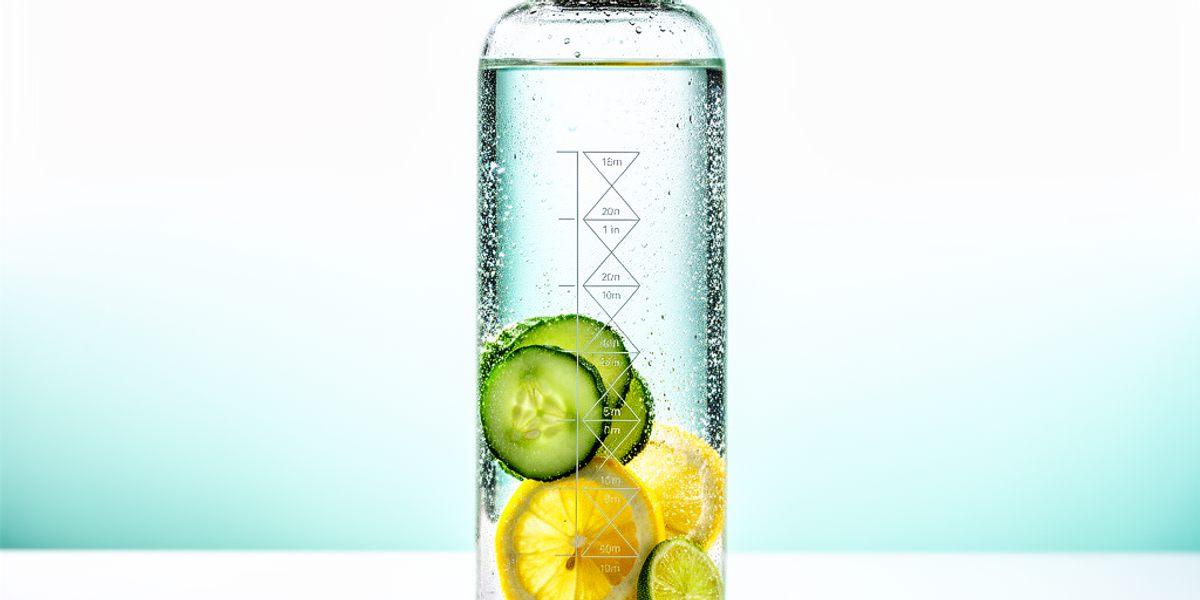
Many women find that transforming their water makes the habit much more sustainable and enjoyable. You might try creating beautiful, spa-like infusions in a pitcher in your fridge. The subtle flavors can make drinking water feel like a luxurious pause in your day rather than a mandatory task.
Here are a few refreshing infusion ideas to inspire you:
- The Classic Spa: Thinly sliced cucumber, a few sprigs of fresh mint, and a squeeze of lime. This is incredibly cooling and refreshing, especially on a warm afternoon.
- The Berry Basil: Halved strawberries and a few gently torn basil leaves. This offers a very subtle, natural sweetness with a sophisticated herbal finish.
- The Zingy Digestion Soother: Slices of fresh ginger root and a wedge of lemon. This is wonderful in the morning or after a heavy meal, providing a gentle, warming zing that wakes up the senses.
- The Tropical Oasis: Cubes of fresh pineapple and a sprig of rosemary. It sounds unusual, but the earthy rosemary perfectly balances the bright, acidic sweetness of the pineapple.
To make these, simply drop the ingredients into a large pitcher of water and let it sit in the fridge for a few hours (or overnight) to allow the flavors to meld.
Gentle, Actionable Takeaways for Your Week
Building a new habit takes time and patience. Instead of trying to overhaul your entire life overnight, you might try integrating a few of these gentle, practical strategies into your routine:
- Embrace Habit Stacking: Attach your water intake to a habit you already do automatically. Drink a small glass of water while you wait for your morning coffee to brew. Take a few sips every time you wash your hands, or right after you brush your teeth.
- Invest in a Vessel You Love: It sounds trivial, but drinking from a beautiful glass, a favorite mug, or a high-quality, insulated water bottle in your favorite color can genuinely increase how much you drink. Keep it visible on your desk or kitchen counter as a gentle visual cue.
- Shift from Chugging to Sipping: Trying to drink 20 ounces of water in one sitting can leave you feeling uncomfortably full and send you running to the restroom. Instead, aim for consistent, gentle sipping throughout the day. Your body absorbs water much more efficiently when it is delivered in a slow, steady stream.
- Eat Your Hydration: Remember that roughly 20% of our daily water intake comes from food. Incorporate high-water-content foods into your meals, such as celery, bell peppers, tomatoes, spinach, oranges, and melons.
- Notice Your Body's Cues: Start paying attention to how you feel when you are well-hydrated versus when you are running dry. Notice the clarity in your thinking, the suppleness of your skin, and the sustained energy in your afternoons. Positive reinforcement from your own body is the most powerful motivator of all.
A Gentle Call to Action
Reclaiming your energy does not always require massive life overhauls, expensive supplements, or rigid wellness protocols. Sometimes, the most profound shifts come from returning to the absolute basics of human biology and treating ourselves with a little more tenderness.
The next time you feel that heavy, familiar wave of afternoon exhaustion, or find yourself fighting off a sudden bout of irritability, pause. Take a deep breath. Before you push yourself to just "power through," walk to the kitchen and pour yourself a beautiful, cool glass of water. Drink it slowly.
You are doing so much, and you are carrying so much. You deserve to move through your life with vitality, clarity, and ease. Give your body the simple, foundational nourishment it is quietly asking for, and watch how beautifully it responds.