Creating a Sleep Sanctuary: Your Ultimate Bedroom Environment Guide

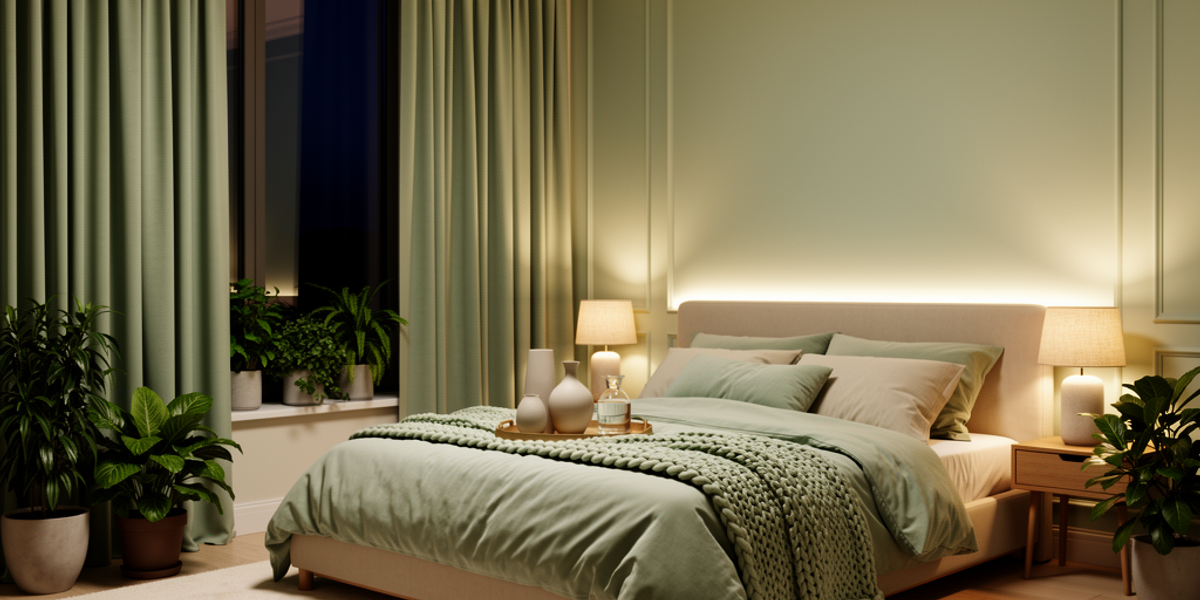
Transform your bedroom into a restful sleep sanctuary. Discover gentle, evidence-backed tips on temperature, lighting, and decluttering to help you unwind, recharge, and wake up feeling truly refreshed.
We ask so much of ourselves every single day. Between navigating our careers, caring for loved ones, managing households, and trying to carve out a tiny sliver of time for our own passions, it is no wonder that by the time evening rolls around, we are completely depleted. Yet, for so many of us, the moment our head hits the pillow, our minds decide it is the perfect time to review a decade's worth of to-do lists.
If you find yourself tossing, turning, or waking up feeling just as tired as when you went to bed, you are absolutely not alone. Quality sleep is foundational to our physical and emotional well-being, but it is often the first thing to suffer when life gets overwhelming. While we cannot always control the stressors of the outside world, we have a wonderful opportunity to shape the environment where we recover from them: our bedrooms.
Creating a "sleep sanctuary" isn't about achieving a magazine-perfect aesthetic or following a rigid set of rules. It is about intentionally designing a space that signals to your mind and body that it is finally safe to let go, relax, and rest. Every woman's body and life is different, so this guide is designed to be a menu of options, not a strict prescription.
Let's explore how you can gently transform your bedroom into a haven for deep, restorative rest.
The Philosophy of the Sleep Sanctuary
For many of us, the bedroom has slowly morphed into a multi-purpose room. It is the home office, the laundry folding station, the late-night entertainment center, and sometimes the family meeting room. When we use our sleeping space for high-energy or stressful activities, our brains begin to associate the room with wakefulness and tension rather than rest.
Research suggests that our environment profoundly impacts our nervous system. When we step into a room, our senses are constantly gathering data to determine if we should be on high alert or if we can power down. By curating the sensory input in your bedroom—what you see, feel, smell, and hear—you can actively help your nervous system shift from "fight or flight" into "rest and digest."
Embracing the Dark: The Power of Light Management
Our bodies operate on a circadian rhythm, an internal 24-hour clock that is heavily influenced by light. For thousands of years, our ancestors went to sleep when the sun went down and woke when it rose. Today, we are surrounded by artificial lighting that can easily confuse our biology.
Research suggests that exposure to light in the evening suppresses the production of melatonin, the hormone responsible for making us feel sleepy. Even a small amount of ambient light from a streetlamp outside your window or the glowing numbers on a digital clock can be enough to disrupt the depth of your sleep.
Many women find that investing in blackout curtains is a game-changer for their sleep quality. By completely blocking out external light, you create a cave-like environment that tells your brain it is time to shut down.
Actionable Takeaways for Lighting:
- You might try a sleep mask: If blackout curtains aren't in the budget or you rent your home and cannot change the window treatments, a high-quality, contoured silk sleep mask is a highly effective, affordable alternative.
- Dim the lights early: Try turning off overhead lights an hour before bed. Rely on warm-toned, low-wattage bedside lamps to signal to your body that the day is winding down.
- Cover the little lights: Take a quick scan of your room in the dark. Cover the tiny LED lights on televisions, air purifiers, or chargers with a small piece of black electrical tape.
Finding Your Unique Cool: Navigating Bedroom Temperature
Have you ever tried to sleep in a stuffy, overly warm room? It is incredibly frustrating. As we prepare for sleep, our core body temperature naturally drops. If our environment is too warm, it can interfere with this natural physiological process, leading to restless, fragmented sleep.
Sleep experts and research suggest that the ideal bedroom temperature for most adults is between 65 and 68 degrees Fahrenheit (18 to 20 degrees Celsius). However, it is deeply important to acknowledge that every woman's body is different, and our internal thermostats are heavily influenced by our unique biology.
Hormonal fluctuations—whether from your menstrual cycle, pregnancy, perimenopause, or menopause—can drastically affect how hot or cold you feel at night. What feels like a perfect 68 degrees one week might feel freezing or boiling the next. The goal isn't to force yourself into a rigid temperature box, but to find the sweet spot that makes you comfortable.
Actionable Takeaways for Temperature:
- Embrace layered bedding: Instead of one heavy duvet, you might try using a combination of a light quilt, a breathable cotton blanket, and a top sheet. This allows you to easily adjust your coverage throughout the night as your body temperature fluctuates.
- Choose breathable fabrics: Many women find that switching to natural fibers like 100% cotton, linen, or bamboo for both sheets and sleepwear significantly reduces night sweats and overheating.
- Cool the air, warm the body: If you prefer a very cold room but get chilly feet, try keeping the thermostat low but wearing a pair of soft, cozy socks to bed.
Softening the Visual Noise: Gentle Decluttering
We often underestimate the psychological weight of our belongings. When you walk into your bedroom and see a pile of unfolded laundry, a stack of unpaid bills, or a cluttered nightstand, your brain registers these items as unfinished tasks. This visual noise creates mental clutter, which can spike cortisol levels and make it much harder to relax.
Creating a sleep sanctuary doesn't mean your room needs to look like a sterile hotel room or adhere to a strict minimalist aesthetic. It simply means cultivating a space that feels peaceful to you.
Actionable Takeaways for Decluttering:
- The 5-minute evening sweep: You might try dedicating just five minutes before you wash your face to clear away the day's debris. Put your shoes in the closet, place worn clothes in the hamper, and clear off your nightstand.
- Relocate the "stressors": If you currently keep your work laptop, action-item paperwork, or exercise equipment in your bedroom, see if you can find them a new home. If space is limited, try covering your workspace with a beautiful throw blanket at the end of the day to visually separate "work" from "rest."
- Keep the nightstand intentional: Limit the items on your nightstand to things that actively promote rest: a lamp, a glass of water, a book, and perhaps a lip balm or hand cream.
Breathing in Calm: The Magic of Scent Therapy
Our sense of smell is directly wired to the amygdala and hippocampus—the areas of the brain that process emotion and memory. Because of this direct pathway, scent can be a powerful, gentle tool to help shift our mood and prepare our bodies for rest.
Aromatherapy has been used for centuries to promote relaxation. Research suggests that certain scents, particularly lavender, can actually lower heart rate and blood pressure, naturally easing you into a sleepy state. Incorporating scent into your evening routine can act as a beautiful, sensory cue that the day's work is done.
Actionable Takeaways for Scent Therapy:
- Explore calming profiles: While lavender is the most famous sleep-promoting scent, you might try chamomile, cedarwood, bergamot, or ylang-ylang if lavender isn't your favorite.
- Use a cool-mist diffuser: A diffuser is a wonderful way to gently scent the room. Many women find that turning the diffuser on 30 minutes before bed makes the room feel incredibly inviting when they finally step in.
- Try a pillow spray: If you have pets (as some essential oils can be toxic to animals if diffused heavily) or prefer a more subtle approach, a light spritz of a natural linen spray on your pillowcase can provide a comforting, localized scent bubble.
The Great Phone Migration: Why Your Nightstand Needs a Break
This is often the most challenging adjustment to make, but it is also the most rewarding. For many of us, our smartphones are our alarms, our reading devices, and our primary connection to the world. But sleeping with your phone right next to your head is one of the biggest barriers to true, restorative rest.
There are two main reasons for this. First, research suggests that the blue light emitted by our screens mimics daylight, tricking our brains into halting melatonin production. Second, and perhaps more importantly, our phones are portals to the demands of the world.
Whether it's a late-night work email, a stressful news alert, or the trap of doomscrolling through social media, engaging with our phones keeps our brains in a state of active processing and emotional reactivity. It is incredibly difficult to transition from reading a stressful headline to peacefully drifting off to sleep.
Actionable Takeaways for Technology Boundaries:
- The "across the room" rule: Many women find that simply moving their phone charger across the room—or better yet, into the bathroom or kitchen—completely changes their evening routine. It removes the temptation to reach for the phone if you wake up in the middle of the night.
- Invest in an old-school alarm clock: If you use your phone as an alarm, you might try purchasing a basic, gentle-wake alarm clock. This completely eliminates the need to have your phone by your bed.
- Create a digital sunset: Try to establish a "phones away" time 30 to 60 minutes before you want to be asleep. Replace that scrolling time with a gentle activity like reading a physical book, doing some light stretching, or listening to a soothing podcast.
A Gentle Invitation to Rest
Transforming your bedroom into a sleep sanctuary is not another chore to add to your already overflowing to-do list. Please don't feel pressured to implement all of these changes at once. Your wellness journey should be supportive, not a source of stress.
You might start tonight by simply moving your phone across the room or opening a window for five minutes to let in some cool, fresh air. Notice how these small shifts make you feel.
You deserve a space that holds you warmly at the end of a long day. You deserve a place where you can lay down your burdens, breathe deeply, and surrender to the rest your beautiful, hardworking body needs. Tonight, I encourage you to look at your bedroom with fresh eyes. Pick just one small way to make it a little more comforting, a little darker, or a little more peaceful. Sweet dreams.