How Screen Time Before Bed Disrupts Your Sleep Cycle (And How to Unwind Naturally)

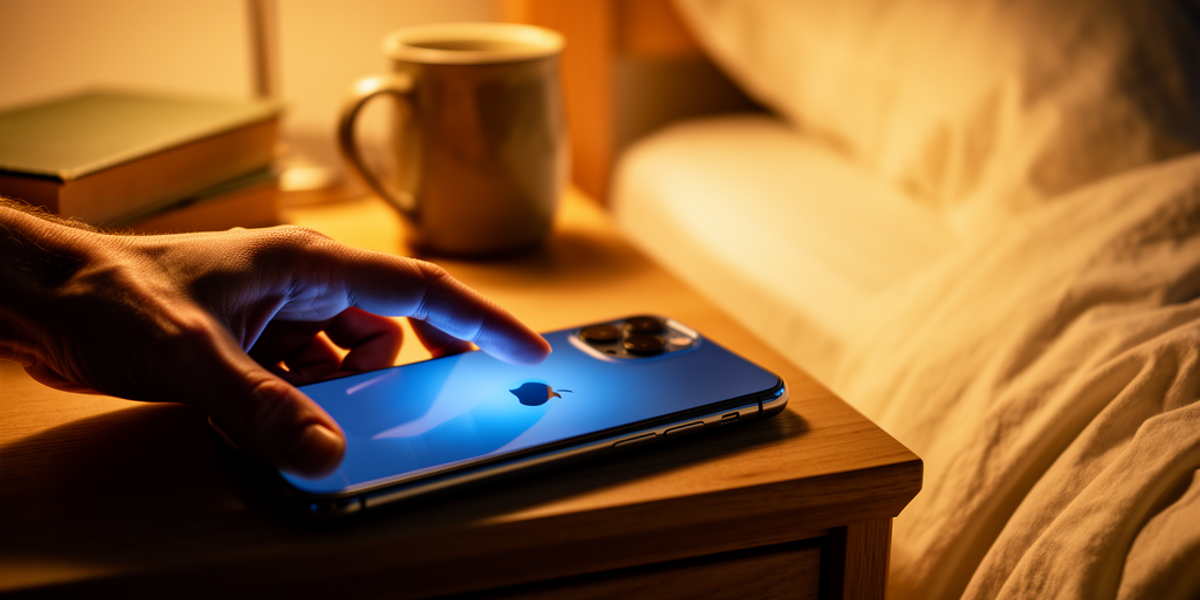
We've all been there—scrolling in bed when we know we need sleep. Discover how blue light and dopamine disrupt your rest, and explore gentle, realistic ways to reclaim your evening routine without feeling deprived.
The Midnight Scroll: Why We Do It
We’ve all been there. The house is finally quiet, the day’s demands are mostly behind you, and you slip into bed. You tell yourself you’ll just check your phone for five minutes to unwind. Suddenly, an hour has passed. You’ve watched a dozen videos, read through a comment section debate, and added three things to an online shopping cart. You are exhausted, yet strangely wired.
If this sounds familiar, please know you are not alone. Many women find that the late evening is the only time of day they truly have to themselves. When your waking hours are spent answering to a boss, caring for a family, managing a household, or simply navigating the heavy mental load of daily life, that quiet time before sleep feels sacred. Psychologists even have a name for this: "revenge bedtime procrastination." It is a completely understandable desire to reclaim a tiny slice of your day.
However, while scrolling might feel like a relaxing reward in the moment, it often works against our deepest biological needs. The way we use our phones at night introduces a specific set of challenges to our nervous systems. By understanding what is actually happening in our bodies and brains, we can begin to make gentle shifts—not out of guilt or restriction, but out of a desire to truly care for ourselves.
The Triple Threat: Blue Light, Dopamine, and Mental Stimulation
When it comes to our sleep cycles, our smartphones are incredibly efficient disruptors. They deliver a "triple threat" that tricks our bodies into staying awake long past our natural bedtimes.
1. The Illusion of Daylight: Blue Light
Our bodies operate on a circadian rhythm, an internal clock heavily influenced by light and dark. For thousands of years, as the sun went down, our brains would naturally begin to produce melatonin, the hormone responsible for making us feel sleepy and ready for rest.
Research suggests that the blue light emitted by our phones, tablets, and laptops mimics the brightness of the midday sun. When we hold these screens inches from our faces in a dark room, we are essentially sending a message to our brains that it is still daytime. This exposure suppresses melatonin production, making it significantly harder to fall asleep and stay asleep. You might notice that even when you finally put the phone down, your eyes feel wide open, and your body feels strangely alert despite your physical exhaustion.
2. The Endless Reward Loop: Dopamine Hits
Social media platforms, news feeds, and even seemingly innocent puzzle games are designed to capture and hold our attention. They do this by triggering the release of dopamine, a neurotransmitter associated with pleasure, reward, and motivation.
Every time you swipe to a new video, see a notification pop up, or discover an interesting article, your brain gets a tiny dopamine hit. This creates a feedback loop. Your brain says, "That felt good, let's see what's next." This constant drip of dopamine keeps your mind engaged and seeking more, which is the exact opposite of the winding-down process your brain needs to transition into sleep. It is why putting the phone down can sometimes feel frustrating or slightly anxiety-inducing in the moment; you are actively breaking a reward cycle.
3. The Overdrive Effect: Mental Stimulation
Beyond the light and the neurochemistry, there is the sheer volume of information we process while scrolling. In the span of five minutes, you might see a heartwarming video of a puppy, a stressful news headline about the economy, a friend’s seemingly perfect vacation photos, and a complex recipe you suddenly feel you need to try.
This rapid-fire consumption of emotional and intellectual content forces your brain into high gear. Instead of softening into a state of relaxation, your nervous system is processing empathy, anxiety, comparison, and planning. Many women find that this mental stimulation leads to a racing mind the moment the screen finally goes dark. You are left lying in the dark, trying to process the entire world from the confines of your pillow.
How This Disrupts Your Sleep Cycle
The impact of this triple threat extends far beyond just taking longer to fall asleep. It fundamentally alters the architecture of your rest.
When melatonin is suppressed and your mind is overstimulated, you are more likely to experience fragmented sleep. You might wake up frequently during the night or struggle to enter the deeper, restorative stages of sleep, such as slow-wave sleep and REM (Rapid Eye Movement) sleep.
Deep sleep is when your body repairs tissues, builds bone and muscle, and strengthens the immune system. REM sleep is crucial for cognitive functions like memory consolidation, emotional regulation, and creativity. When screen time shortens or interrupts these cycles, you might wake up feeling groggy, emotionally fragile, or physically unrefreshed, regardless of how many hours you actually spent in bed.
Because every woman’s body and life is different, the effects of this sleep disruption can manifest in various ways. Some might experience brain fog and difficulty concentrating at work, while others might notice increased irritability, heightened anxiety, or physical fatigue.
Creating a Realistic, Deprivation-Free Evening
When we realize a habit isn't serving us, the temptation is often to swing to the opposite extreme. You might tell yourself, "I am never bringing my phone into the bedroom again!" But sudden, rigid rules are rarely sustainable. It is not about punishing yourself or striving for a perfectly optimized, aesthetic nighttime routine you see on social media. It is about creating boundaries that feel supportive and realistic for your actual life.
Here is a realistic plan for easing out of the nighttime scroll without feeling deprived of your well-deserved downtime.
Establish a "Sunset" for Your Screens
Instead of a hard stop, you might try a gradual winding down. Think of it as a sunset for your devices. About an hour before you hope to sleep, start shifting your environment. Turn on the "Night Shift" or "Eye Comfort" mode on your phone to warm the color temperature of the screen, reducing the blue light. Dim the overhead lights in your home and switch to softer, warmer lamps.
If you still want to use your phone during this transition hour, try to be intentional about the content. Swap the high-stimulation doomscrolling for something gentler. Perhaps you read a long-form article, play a slow-paced word game, or browse a calming Pinterest board. The goal is to lower the emotional stakes of what you are consuming.
Swap the Scroll for Sensory Comfort
When you eventually put the phone down, you need something enjoyable to take its place. If you just lay in the dark without your phone, you will likely feel bored and deprived. Instead, lean into sensory comforts that signal safety and relaxation to your nervous system.
Many women find comfort in a simple, grounding ritual. You might try:
- Reading a physical book or using an e-reader: E-readers without backlights (or with warm light settings) do not have the same melatonin-suppressing effects as smartphones. Plus, getting lost in a story is a wonderful, focused way to unwind.
- A gentle body-care routine: Taking five extra minutes to massage a beautifully scented lotion into your hands and feet can bring your awareness back to your physical body and away from the digital world.
- Light stretching or restorative yoga: You don't need a full workout. Just a few minutes of gentle movement, like child's pose or legs-up-the wall, can help release the physical tension accumulated throughout the day.
- Sipping a warm, non-caffeinated beverage: Chamomile, peppermint, or a warm magnesium drink can be a deeply comforting tactile experience.
Try the "Parking Lot" Hack
If having your phone on your nightstand is simply too tempting, you might try creating a designated "parking lot" for it across the room, or even in the hallway or bathroom.
By adding a tiny bit of physical friction—having to actually get out of bed to reach the phone—you interrupt the automatic habit of reaching for it. If you use your phone as an alarm clock, placing it across the room has the added bonus of forcing you to get up to turn it off in the morning. Better yet, consider investing in a basic, old-fashioned digital alarm clock so your phone doesn't even need to be in the room.
Embrace Audio-Only Alternatives
If you find that you need some sort of distraction to quiet your own thoughts before sleep, audio is a fantastic alternative to screens. You get the mental engagement without the blue light or the visual overstimulation.
You might try listening to a sleep meditation, an audiobook, a calming podcast, or even specific sleep stories designed for adults. Many apps allow you to set a sleep timer, so the audio will gently fade out after 30 or 45 minutes, letting you drift off without having to wake up to turn it off.
Giving Yourself Grace
As you explore these shifts, remember that progress is rarely linear. There will be nights when you are too exhausted to do anything but scroll, or nights when anxiety keeps you glued to a news feed. That is completely okay.
Please avoid falling into the trap of toxic positivity or rigid self-correction. Beating yourself up for having screen time before bed only adds stress to your nervous system, which is counterproductive to sleep. If you find yourself scrolling at 1 AM, simply notice it without judgment. Take a deep breath, gently close the app, and try to transition to rest.
Every small adjustment you make is a step toward better well-being. You are simply experimenting to find what makes you feel most rested, grounded, and cared for.
Tonight, as the house quiets down and your evening begins, you might try leaving your phone on the dresser just a few minutes earlier than usual. Pick up a book, stretch your shoulders, or simply close your eyes and take three deep breaths. You deserve a beautiful night of rest, and you deserve to wake up feeling ready to embrace whatever tomorrow holds.