The Sleep-Hormone Connection Every Woman Should Understand

Discover how estrogen, progesterone, and melatonin shape your sleep through every life stage. Learn gentle, evidence-based ways to support your rest during your menstrual cycle, pregnancy, and menopause because you deserve to wake up refreshed.
The 3 A.M. Wake-Up Call: It Is Not Just In Your Head
If you have ever found yourself staring at the ceiling at 3 A.M., wondering why sleep comes so easily on some nights and feels entirely elusive on others, you are far from alone. Society often treats sleep as a simple equation of willpower and good habits: put away your phone, drink some chamomile tea, and you will drift off for a perfect eight hours. But for women, the reality of sleep is far more complex, deeply intertwined with a beautifully intricate—and sometimes frustrating—hormonal symphony.
For a long time, sleep research was primarily based on male subjects, whose hormonal landscapes remain relatively steady day to day. Women, however, experience dynamic hormonal shifts throughout the month, during pregnancy, and across the transition into menopause. If your sleep feels like a moving target, please know that it is not a personal failing. It is biology.
Understanding the connection between your hormones and your sleep is not about achieving "perfect" rest—because perfect sleep does not exist. Instead, it is about learning to read your body's signals with self-compassion. Let us explore how estrogen, progesterone, and melatonin interact to affect your sleep, and look at gentle ways to support your body through every stage of life.
Meet the Trio: Estrogen, Progesterone, and Melatonin
To understand your sleep, it helps to get acquainted with the three main chemical messengers that orchestrate it.
Estrogen: The Mood Lifter and Temperature Regulator
Estrogen is often thought of primarily as a reproductive hormone, but it is deeply involved in your brain chemistry. Research suggests that estrogen helps promote the use of serotonin, a neurotransmitter that supports feelings of well-being and helps produce melatonin. Estrogen also helps keep your core body temperature low at night, which is a crucial physiological requirement for falling and staying asleep.
Progesterone: The Natural Relaxant
If estrogen is the energizing, mood-lifting sister, progesterone is the calm, grounding one. Progesterone interacts with GABA receptors in the brain. GABA is an inhibitory neurotransmitter, meaning it quiets down nerve activity, reduces anxiety, and promotes a sense of calm. When progesterone levels are healthy, it acts almost like a natural sedative, helping you access deep, restorative sleep.
Melatonin: The Sleep Gatekeeper
Melatonin is your body's "time to sleep" signal. Produced by the pineal gland in response to darkness, it regulates your circadian rhythm. However, melatonin does not work in a vacuum; its production and effectiveness are influenced by both estrogen and progesterone. When your reproductive hormones fluctuate, your melatonin levels often follow suit.
The Menstrual Cycle: A Monthly Sleep Rollercoaster
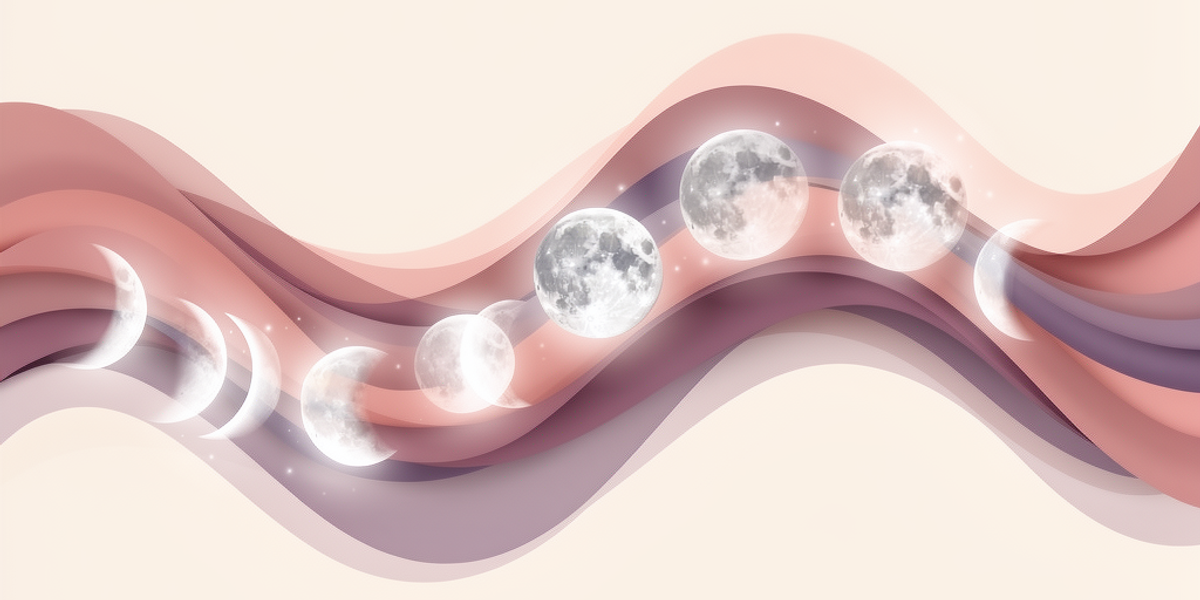
If you menstruate, your hormones follow a roughly 28-day cycle, creating distinct phases that profoundly impact how you rest.
The Follicular Phase and Ovulation
During the first half of your cycle (starting on the first day of your period), estrogen begins to rise, peaking just before ovulation. Many women find that their sleep is most restful and their energy is highest during this time. Your body temperature is naturally lower, and the rising estrogen supports healthy serotonin and melatonin production.
The Luteal Phase
After ovulation, progesterone takes center stage. Initially, this surge in progesterone can make you feel delightfully sleepy. However, as you approach the end of your cycle (the late luteal phase, commonly known as the PMS window), both estrogen and progesterone levels drop sharply if an egg is not fertilized.
This sudden withdrawal of hormones is why sleep often falls apart in the days leading up to your period. The drop in progesterone removes that calming, GABA-enhancing blanket, often leading to increased nighttime anxiety or lighter sleep. Meanwhile, the drop in estrogen can cause your core body temperature to rise slightly, making it harder to stay asleep.
What You Might Try
Since every woman's body is different, there is no single "fix" for premenstrual insomnia. However, you might try lowering the temperature in your bedroom by a few degrees during the week before your period to counteract the natural rise in your body heat. Wearing breathable, natural fabrics like cotton or bamboo can also help. Many women find that practicing gentle nervous system regulation—like legs-up-the-wall pose or slow, deep breathing—can help compensate for the natural drop in calming progesterone.
Pregnancy: Growing a Human is Tiring (and Wakeful)
Pregnancy brings about some of the most dramatic hormonal shifts a human body can experience, and your sleep architecture changes right along with it.
The First Trimester
During the first trimester, progesterone levels skyrocket to support the pregnancy. This massive surge is why early pregnancy is often accompanied by bone-deep, overwhelming fatigue. You may find yourself needing naps just to get through the day, yet ironically, your nighttime sleep might become fragmented due to hormone-driven frequent urination and tender breasts.
The Second and Third Trimesters
As you move into the second trimester, hormones tend to level out, and many women experience a brief return to better sleep. But the third trimester brings a new set of challenges. Estrogen and progesterone reach their absolute peak, which can cause increased nasal congestion (leading to snoring or sleep apnea) and acid reflux. Combine this with the physical discomfort of a growing belly and the emotional anticipation of childbirth, and sleep often becomes highly elusive.
What You Might Try
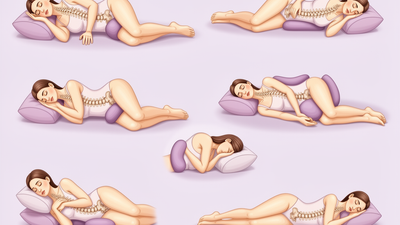
If you are pregnant, the most important thing you can offer yourself is grace. Release the pressure to get a solid eight hours at night and embrace resting whenever you can. You might try using a pregnancy pillow to support your hips and back, which can relieve physical tension. To manage nighttime acid reflux, many women find it helpful to eat smaller, more frequent meals and sleep with their head slightly elevated. Remember, your body is doing monumental work; rest is productive, even if it is not deep sleep.
Perimenopause and Menopause: The Great Transition
Perimenopause—the transitional phase leading up to menopause—can begin in your late 30s or 40s and last for several years. This is often the time when women experience the most profound sleep disruptions.
The Rollercoaster of Perimenopause
During perimenopause, estrogen and progesterone do not just gently decline; they fluctuate erratically. The unpredictable drops in estrogen are the primary culprits behind hot flashes and night sweats. When estrogen drops, the brain mistakenly thinks the body is overheating and triggers a massive release of heat, waking you up drenched and uncomfortable.
Simultaneously, progesterone levels generally decline faster than estrogen levels. The loss of this sleep-promoting hormone means that many women in perimenopause find themselves spending less time in deep sleep and waking up more frequently throughout the night.
The Menopausal Landscape
Once you reach menopause (defined as 12 consecutive months without a period), your hormones settle at a consistently low level. While the erratic fluctuations stop, the lack of estrogen and progesterone means your body has permanently lost some of its natural sleep aids. Furthermore, research suggests that as we age, our pineal gland produces less melatonin, compounding the difficulty of falling asleep.
What You Might Try
If night sweats are disrupting your rest, you might try layering your bedding so you can easily adjust your temperature in the dark. Keeping a cool damp washcloth on your nightstand or using a bedside fan can provide quick relief during a hot flash.
Because your body's natural melatonin production is decreasing, supporting your circadian rhythm becomes even more vital. Getting outside into natural daylight within an hour of waking up helps anchor your biological clock. For the deeper hormonal symptoms, many women find relief through Hormone Replacement Therapy (HRT); it is a highly personal decision, and having an open, collaborative conversation with a trusted healthcare provider can help you weigh your options.
Gentle, Everyday Ways to Support Your Sleep-Hormone Connection
While we cannot control our hormonal fluctuations, we can control how we support our bodies through them. Avoid the trap of rigid "sleep hygiene" rules that only create more anxiety when you cannot follow them perfectly. Instead, consider these gentle invitations to support your rest:
1. Anchor Your Circadian Rhythm with Light Melatonin is deeply sensitive to light. Because our modern lives keep us indoors during the day and bathed in artificial light at night, our melatonin production often gets confused. You might try stepping outside for just 10 minutes each morning to let natural sunlight signal to your brain that the day has begun. In the evening, dimming your overhead lights and switching to warm, amber lamps can help coax your melatonin production along.
2. Befriend Magnesium Magnesium is a mineral that plays a crucial role in nervous system regulation and is rapidly depleted during times of stress. Research suggests that magnesium bisglycinate can help calm the brain and support deeper sleep. Many women find that a warm bath with magnesium flakes or a gentle magnesium supplement before bed adds a comforting layer to their evening routine.
3. Honor Your Stress Hormones Cortisol, our primary stress hormone, is the direct antagonist to sleep. When cortisol is high, melatonin cannot do its job. For women juggling careers, caregiving, and daily life, cortisol levels often remain elevated late into the evening. Finding ways to signal safety to your body is essential. This does not have to mean a 30-minute meditation; it could be as simple as reading a comforting book, doing a brain-dump in a journal to get tomorrow's to-do list out of your head, or listening to a calming podcast.
4. Feed Your Hormones Without falling into restrictive diet culture, it is helpful to remember that our hormones need adequate nourishment to function. Skipping meals or going to bed hungry can cause a drop in blood sugar during the night, which triggers a spike in cortisol and wakes you up. You might try having a small, balanced evening snack—like a handful of almonds or an apple with peanut butter—to keep your blood sugar stable through the night.
Embracing Your Unique Rhythm
Your body's hormonal landscape is uniquely yours, shaped by your genetics, your environment, and the specific season of life you are in. What works beautifully for your best friend might not work for you, and what worked for you in your twenties might not serve you in your forties. That is entirely okay.
The most powerful tool you have in your wellness toolkit is self-compassion. When sleep is difficult, try not to add layers of frustration and self-blame to the experience. Acknowledge that your body is navigating complex internal shifts.
If you are struggling with your sleep, I gently encourage you to start tracking your rest alongside your menstrual cycle or alongside your menopausal symptoms. Notice the patterns without judgment. Armed with this knowledge, you can begin to make small, supportive adjustments. And please, never hesitate to reach out to a compassionate healthcare provider who listens to your lived experience. You deserve to feel rested, vibrant, and at home in your own body.