How Your Sleep Position Affects Your Body: A Gentle Guide for Women

Discover how your sleep position impacts back pain, acid reflux, and skin aging. Learn supportive pillow hacks for side sleepers, back sleepers, and pregnancy to help you wake up feeling rested.
We all know the profound difference a good night's sleep can make in our daily lives. When we wake up rested, the world feels a little softer, our patience stretches a little further, and our bodies feel more capable of handling whatever the day holds. But navigating the path to restful sleep isn't always straightforward. Between balancing work, family, personal time, and the endless to-do lists, sleep can sometimes feel like a luxury rather than a given.
While we often focus on how much sleep we are getting, or the calming routines we practice before bed, we rarely stop to consider how we sleep. Research suggests that our physical sleeping position plays a surprisingly significant role in our overall well-being. From managing lower back pain and acid reflux to supporting optimal breathing and even influencing how our skin ages, our nighttime posture matters.
However, it is so important to remember that there is no universal "perfect" way to sleep. Every woman's body and life is beautifully different. What feels deeply restorative to your best friend might leave you waking up with a stiff neck. The goal here isn't to force yourself into a rigid, uncomfortable posture because an article told you it was "best." Instead, this is an invitation to gently explore how your body rests and to offer it a little extra support.
Let's explore the most common sleep positions, how they interact with our bodies, and some practical pillow placement hacks you might try to find your most comfortable rest.
The Side Sleeper's Sanctuary
If you naturally curl up on your side when your head hits the pillow, you are in good company. Many women find side sleeping to be the most comforting and natural way to drift off. It mimics the fetal position, offering a sense of safety and coziness.
From a physiological standpoint, side sleeping has a lot of benefits. Research suggests it is generally excellent for keeping your airways open, making it a highly recommended position if you struggle with snoring or mild sleep apnea.
Interestingly, which side you sleep on can also make a difference.
Left Side vs. Right Side
If you frequently experience heartburn or acid reflux, you might try favoring your left side. Because of the natural shape and positioning of our stomachs, sleeping on the left side keeps gastric juices below the esophageal sphincter, significantly reducing the likelihood of nighttime reflux. Conversely, sleeping on the right side can sometimes relax that sphincter, allowing acid to creep up and disrupt your rest.
The Skin and Shoulders Consideration
While side sleeping is wonderful for breathing and digestion, it does come with a few potential drawbacks. Pressing one side of your face into a pillow for seven to eight hours a night can contribute to sleep wrinkles and skin aging over time. Additionally, side sleeping can put pressure on your shoulders and hips, sometimes leading to joint stiffness in the morning.
Pillow Hacks for Side Sleepers
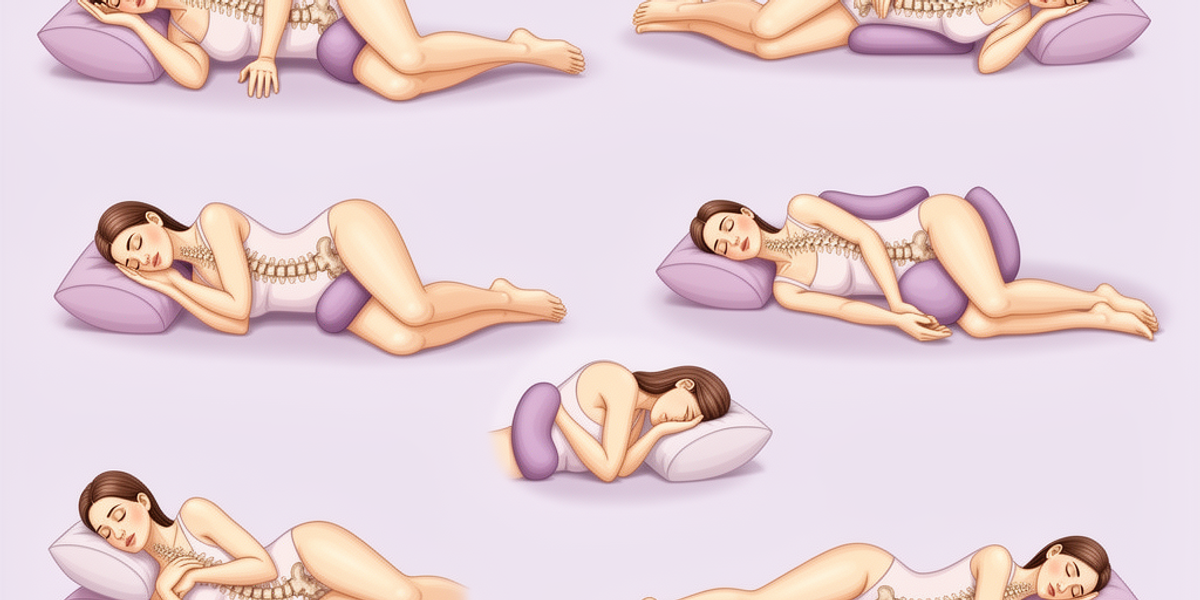
To make side sleeping more supportive for your spine and joints, alignment is key.
- The Knee Pillow: Many women find that placing a firm pillow between their knees and thighs is an absolute game-changer. This simple hack prevents your top leg from pulling your spine out of alignment, greatly reducing stress on your hips and lower back.
- The Hugging Pillow: Hugging a pillow to your chest can prevent your top shoulder from collapsing inward, keeping your upper spine neutral and reducing morning neck and shoulder aches.
- The Right Head Pillow: Look for a pillow that fills the gap between your neck and the mattress. Your head shouldn't be tilted sharply up or drooping down.
The Back Sleeping Balance
Back sleeping, often referred to as the "supine" position, is frequently touted by physical therapists and dermatologists alike. While it's not the most popular position, those who can comfortably sleep on their backs often reap specific structural benefits.
When you sleep on your back, your body weight is evenly distributed across the widest surface of your body. This minimizes pressure points and makes it much easier to maintain a neutral alignment of your head, neck, and spine. For women dealing with chronic neck or back pain, training yourself to sleep on your back can sometimes offer significant relief.
Furthermore, back sleeping is the ultimate beauty sleep. Because your face is exposed to the air rather than smashed into a cotton pillowcase, you avoid the friction and pressure that can lead to premature skin aging and sleep creases. It also prevents pillowcases from transferring oils and bacteria to your skin, which can be helpful if you are prone to breakouts.
The Breathing Challenge
However, back sleeping is not for everyone. If you have sleep apnea or are a heavy snorer, back sleeping is usually the worst position. Gravity causes the base of your tongue to collapse into your airway, which can obstruct breathing and lead to fragmented, poor-quality sleep.
Pillow Hacks for Back Sleepers
If you want to optimize back sleeping for maximum comfort and minimal pain, try these supportive adjustments:
- The Under-Knee Bolster: Lying flat on your back can sometimes pull on the lumbar spine, creating an uncomfortable arch. You might try placing a small pillow or rolled-up towel under your knees. This allows your lower back to rest flush against the mattress, releasing tension in your lumbar region.
- A Low-Profile Head Pillow: Back sleepers generally need a flatter pillow than side sleepers. Your pillow should support the natural curve of your neck without pushing your chin toward your chest.
The Stomach Sleeping Struggle
Stomach sleeping is the least common sleep position, and frankly, it is often the toughest on the body. We want to avoid prescriptive, judgmental language, so if you are a dedicated stomach sleeper and wake up feeling glorious, please carry on! Your body knows what it needs.
However, if you are a stomach sleeper experiencing daily aches, it might be worth exploring a change. Sleeping on your stomach forces you to turn your head to one side for hours at a time, which can severely strain the ligaments and muscles in your neck. It also tends to cause the heavier middle section of your body to sink deeply into the mattress, overarching the lower back and leading to chronic lumbar pain.
Pillow Hacks for Stomach Sleepers
If you simply cannot fall asleep any other way, there are gentle modifications you can make to protect your spine:
- The Pelvic Pillow: Place a flat, thin pillow under your lower abdomen and pelvis. This helps lift your midsection, preventing your lower back from sinking into a painful arch.
- Ditch the Head Pillow: Try sleeping without a pillow under your head, or use an exceptionally thin one. The lower your head is, the less strain you will put on your neck.
Navigating Sleep During Pregnancy
Pregnancy is a beautiful, transformative time, but let's be honest: it can also be an incredibly uncomfortable season for sleep. As your body changes and your baby grows, your center of gravity shifts, your joints loosen, and finding a comfortable resting position can feel like an Olympic sport.
During the later stages of pregnancy, back sleeping is generally discouraged. The weight of the growing uterus can compress the inferior vena cava (a major blood vessel), which can reduce blood flow to your baby and leave you feeling dizzy or breathless.
Instead, healthcare providers typically recommend sleeping on your side. The left side is especially beneficial during pregnancy, as it maximizes blood flow and nutrients to the placenta and helps your kidneys efficiently flush waste and fluids from your body, which can help reduce swelling in your ankles and hands.
Pillow Hacks for Pregnant Women
This is the time to build yourself a supportive nest. Don't be afraid to take up space in bed!
- The Pregnancy Pillow: A C-shaped or U-shaped pregnancy pillow provides simultaneous support for your head, growing belly, and between your knees.
- The Wedge: If a massive body pillow feels too restrictive, you might try a small wedge pillow tucked gently under your belly to support the weight of your bump, and another wedged behind your back to prevent you from rolling over in your sleep.
Finding What Works for You
At the end of the day, the "best" sleep position is the one that allows you to wake up feeling restored, balanced, and ready to engage with your life.
If you are currently sleeping well and waking up without pain, there is absolutely no need to change your habits just to fit a certain mold. But if you are struggling with acid reflux, waking up with a stiff lower back, or feeling like your sleep isn't as deeply nourishing as it could be, playing with your sleep posture and pillow placement is a gentle, low-stakes way to care for yourself.
Remember, changing a sleep position takes time. If you are trying to transition from stomach sleeping to side sleeping, be patient with yourself. You might wake up in your old position, and that is completely okay.
Listen to your body. It is constantly communicating its needs to you. Whether you are building a fortress of pillows to support a growing pregnancy, switching to your left side to ease digestion, or simply adding a pillow beneath your knees to give your lower back a break, you are taking a beautiful step toward honoring your body's need for deep, supportive rest. Wishing you a peaceful, restorative night's sleep.