Dive Into Wellness: Why Swimming is the Gentle, Full-Body Workout More Women Should Try

Discover the physical and mental benefits of swimming. From joint-friendly movement to moving meditation, learn how to embrace the water, overcome swimsuit anxiety, and build a gentle routine that supports your unique body and busy life.
There is something inherently magical about slipping into a body of water. The noise of the world instantly muffles, the constant pull of gravity softens, and for a brief window of time, you are held completely. In our fast-paced, hyper-connected lives, finding a form of movement that feels both restorative and deeply strengthening can sometimes feel like an impossible task. We are often told that to get a "good" workout, we need to push ourselves to the brink of exhaustion, sweat profusely, and endure high-impact stress on our bodies.
But what if there was another way?
Swimming is one of the most comprehensive, supportive, and accessible forms of movement available to us. Whether you are navigating the shifts of postpartum recovery, managing chronic joint pain, dealing with the daily stresses of a demanding career, or simply looking for a way to move your body that actually feels joyful, the water offers a welcoming embrace. Let's explore why swimming is the low-impact, full-body workout more women should try, and how you can gently incorporate it into your life.
The Magic of Buoyancy: A Love Letter to Your Joints
One of the most profound benefits of swimming is its low-impact nature. On land, every step we take sends a shockwave of impact through our feet, knees, hips, and spine. While weight-bearing exercise is certainly important for bone health, our joints also desperately need a break—especially if we are managing injuries, navigating the physical changes of aging, or simply feeling achy from sitting at a desk all day.
When you enter the water, the rules of gravity change. In fact, research suggests that being submerged in water up to your neck reduces your body weight by up to 90%. This incredible buoyancy takes the pressure off your skeletal system, allowing your joints to decompress and move freely without the harsh impact of striking the ground.
For women, this is particularly beneficial. Our bodies go through numerous hormonal and physical shifts throughout our lives—from pregnancy to perimenopause and beyond—that can affect our joint laxity and comfort. Swimming provides a safe, supportive environment to maintain cardiovascular fitness and muscular endurance without risking joint strain. It is a space where a body that feels heavy or painful on land can suddenly feel weightless, fluid, and free.
A True Full-Body Engagement
While the water is gentle on your joints, it is surprisingly effective at building functional strength. Water is significantly denser than air, which means that every single movement you make in the pool is met with gentle, consistent resistance.
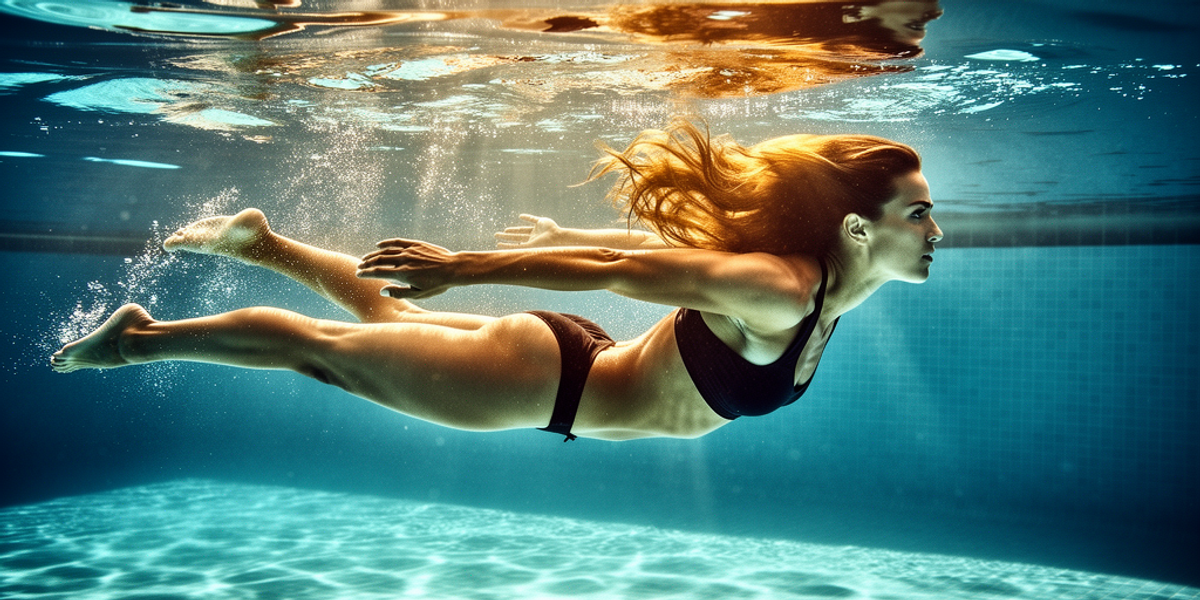
Unlike many land-based workouts that isolate specific muscle groups, swimming requires your entire body to work in harmony. As you move through the water, you are simultaneously engaging your core for stability, your arms and shoulders for propulsion, and your legs and glutes to keep you moving forward.
Different strokes offer different benefits, allowing you to mix up your movement based on what your body needs on any given day:
- Freestyle (Front Crawl): Excellent for cardiovascular endurance and lengthening the muscles of the back and shoulders.
- Backstroke: A wonderful antidote to the "desk hunch." It opens up the chest, strengthens the upper back, and improves posture.
- Breaststroke: Brilliant for hip mobility and strengthening the inner thighs and lower body.
Furthermore, swimming offers a robust cardiovascular workout that increases your heart rate and exercises your lungs. It is a fantastic way to expend energy and challenge your stamina, all while staying wonderfully cool. For women who dislike the feeling of overheating or heavy sweating during exercise, the temperature-regulating nature of the pool is a game-changer.
The Meditative Quality of the Water
Beyond the physical benefits, the mental and emotional rewards of swimming are truly profound. Many women find that the pool becomes a sanctuary—a rare place where screens cannot follow, phones cannot ring, and demands cannot be made.
When you are swimming, your face is often in the water, which creates a mild form of sensory deprivation. The chatter of the outside world is replaced by the rhythmic sound of your own breathing and the steady splash of water. This repetitive, rhythmic nature of swimming naturally encourages a state of mindfulness. You are forced to focus on your breath, coordinating your inhales and exhales with the movement of your body.
This "moving meditation" can be incredibly soothing for a dysregulated nervous system. The concept of "Blue Mind," popularized by marine biologist Wallace J. Nichols, highlights how being near, in, on, or under water can make you happier, healthier, more connected, and better at what you do. The water gently demands your presence, offering a mental reset that leaves you feeling clearer and more grounded long after you have toweled off.
Navigating the Swimsuit Hurdle with Self-Compassion
If reading about the benefits of swimming makes you want to jump in, but the thought of putting on a swimsuit makes you want to hide, please know that you are not alone. For many women, the biggest barrier to swimming isn't the exercise itself; it's the vulnerability of the locker room and the pool deck.
We live in a society that places immense, often unrealistic pressure on women's bodies. It is completely understandable if wearing a swimsuit brings up feelings of self-consciousness or anxiety. Every woman's body and life is different, and we all carry our own unique histories with body image.
The most important thing to remember is that you deserve to experience the joy and freedom of the water, exactly as you are right now. Your body is a swimming body today.
If you are feeling hesitant, you might try redefining what "swimwear" looks like for you. There is no rule that says you must wear a traditional one-piece or a bikini. The goal is your comfort and mobility.
- Try a rash guard: Long-sleeved or short-sleeved swim shirts offer great coverage and sun protection.
- Opt for swim shorts or leggings: Many brands now make water-friendly shorts, capris, and full-length leggings that provide extra coverage and prevent inner-thigh chafing.
- Use a great towel or robe: Invest in a cozy, oversized towel or a terrycloth robe to wear right up to the edge of the pool.
Give yourself permission to wear whatever makes you feel secure. The water doesn't care what you are wearing; it will hold you just the same.
Practical Steps to Start Your Swimming Practice
If you are ready to dip your toes in, starting a new swimming routine doesn't have to be complicated or intimidating. Here are some practical ways to begin:
1. Find Your Water
Look for local options that suit your comfort level. Community recreation centers, YMCAs, and local health clubs often have indoor pools with designated lap swimming times. If you prefer the outdoors, look for municipal outdoor pools or safe, swimmable lakes during the warmer months. Many pools offer "women-only" swim times, which can be a wonderful, supportive environment if you are feeling nervous.
2. Gather Your Gear
You don't need much to start, but a few key items will make your experience much more enjoyable:
- Goggles: A good pair of goggles is essential. They protect your eyes from chlorine and allow you to relax your neck and face into the water. Look for a pair with a soft silicone seal.
- Swim Cap: While not strictly necessary, a cap protects your hair from chemicals and keeps it out of your face. Silicone caps are generally gentler on the hair and easier to put on than latex ones.
- Post-Swim Care: Pack a gentle body wash and a rich moisturizer in your gym bag to soothe your skin after being in chlorinated water.
3. Understand Basic Pool Etiquette
If you are swimming laps, pools usually have slow, medium, and fast lanes. Don't be afraid to start in the slow lane! If you need to share a lane, simply sit on the edge with your legs in the water to let the other swimmer know you are entering, and then "circle swim" (swimming on the right side of the lane, like driving a car) or split the lane down the middle.
Building a Gentle, Sustainable Routine
When starting out, release the pressure to be an Olympic athlete. You do not need to swim a continuous mile on your first day to reap the benefits of the water. In fact, pushing too hard too fast is a quick way to burn out.
Instead, focus on how the water feels. You might try starting with just fifteen or twenty minutes in the pool. Begin with a gentle warm-up—perhaps walking in the shallow end or doing a few slow laps of breaststroke.
If continuous swimming feels too taxing, try interval training: swim one length of the pool, then rest at the wall for 30 seconds to catch your breath before swimming back. Use kickboards or pull buoys (often available to borrow at public pools) to isolate your legs or arms and give yourself a break.
Listen to your body. Some days, you might want to challenge yourself with faster laps. Other days, your body might simply need you to float on your back, staring at the ceiling or the sky, letting the water support your weight.
Your Invitation to the Water
Incorporating swimming into your life is not about achieving a certain aesthetic or punishing your body into shape. It is an invitation to experience weightlessness, to quiet the noise of the day, and to build strength in a way that feels incredibly kind to your joints and your spirit.
Whether you are returning to the water after decades away, or you are a complete beginner willing to learn something new, the pool is a space of immense grace. Take it one lap at a time, be gentle with yourself as you navigate the newness of it all, and allow yourself to be held.
The water is waiting for you, whenever you are ready to dive in.