Eating Well on a Budget: How to Nourish Yourself Without Breaking the Bank

Nourishing your body shouldn't cause financial stress. Discover gentle, practical strategies for eating well on a budget, from embracing frozen produce to finding joy in seasonal ingredients, all while honoring your unique needs.
Lately, a trip to the grocery store can feel more like a stress test than a simple weekly errand. With the rising cost of living, balancing a household budget while trying to put nourishing, satisfying meals on the table can feel incredibly overwhelming. If you have been feeling the pinch at the checkout counter, please know you are not alone, and your stress is completely valid.
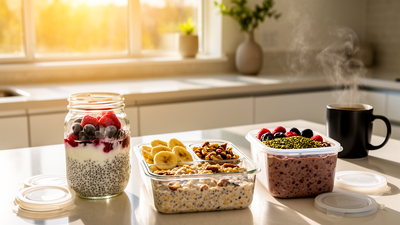
For a long time, the wellness industry has promoted a very specific, highly aestheticized version of health. If we scroll through social media, we are often bombarded with images of eighteen-dollar smoothies, exotic superfood powders, and pristine glass containers filled with out-of-season berries. This imagery subtly sends the message that taking care of ourselves is a luxury reserved for those with ample disposable income.
But true nourishment does not have to be expensive. Wellness is not a luxury commodity; it is a fundamental human need. Every woman's body, schedule, and budget is beautifully unique. What feels supportive to a busy mother of three might look very different from what works for a student or a woman working night shifts. The goal is never to force ourselves into a rigid, one-size-fits-all box, but rather to find gentle, sustainable ways to care for ourselves.
Let's explore some accessible, budget-friendly strategies that can help you eat well without adding financial strain to your plate.
Releasing the Pressure of "Perfect" Nutrition
Before we look at practical grocery strategies, it is so important to take a deep breath and release the pressure of "perfect" eating. Diet culture thrives on making us feel like we are never doing quite enough—that if our meals aren't entirely organic, locally foraged, and perfectly balanced, we are somehow failing.
Let's gently set that narrative aside.
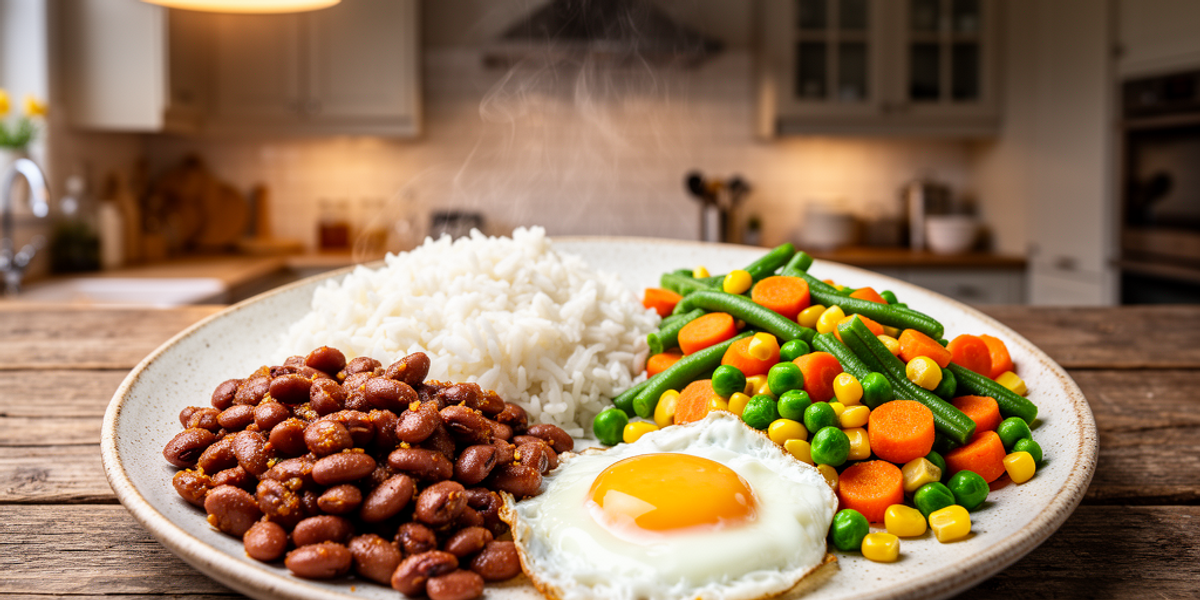
Nourishment is about giving your body the energy and nutrients it needs to carry you through your life. A meal made from canned beans and frozen vegetables is just as morally neutral—and wonderfully nourishing—as a meal made from expensive, boutique ingredients. By letting go of the guilt associated with not eating "perfectly," we free up the mental energy needed to actually enjoy our food.
The Magic of the Freezer Aisle
There is a lingering myth that fresh produce is always nutritionally superior to frozen produce. If you have been avoiding the freezer aisle because you thought you were shortchanging your body, you can let out a sigh of relief.
In fact, research suggests that frozen vegetables and fruits are often just as nutritious—and in some cases, even more nutrient-dense—than their fresh counterparts. This is because frozen produce is typically picked at the peak of its ripeness and flash-frozen within hours. This rapid freezing process locks in vitamins, minerals, and antioxidants. On the other hand, "fresh" produce often travels for days on trucks and sits on grocery store shelves, slowly losing some of its nutritional value along the way.
Many women find that keeping a few bags of frozen produce in the freezer is an absolute lifesaver on exhausting weeknights.
Practical Takeaways for Frozen Foods:
- Smoothie Staples: Frozen berries, cherries, and mangoes are often significantly cheaper than fresh, especially out of season. They also give smoothies a wonderful, thick texture without the need for ice.
- Soup and Stir-fry Heroes: Keep bags of frozen chopped spinach, broccoli florets, and mixed vegetables on hand. You can toss them straight into boiling soups, simmering curries, or hot stir-fries without any washing or chopping.
- Zero Waste: One of the biggest hidden costs in our grocery budgets is food waste. Frozen vegetables never wilt in the back of the crisper drawer, meaning you use exactly what you pay for.
Embracing the Humble Bean
When looking to stretch a grocery budget, shifting our focus toward plant-based proteins can make a profound difference. Meat, poultry, and fish are often the most expensive items in our shopping carts. By swapping out meat for legumes even just a couple of times a week, you can significantly reduce your grocery bill.
Beans, lentils, and chickpeas are true protein and fiber powerhouses. They provide sustained energy, help keep our blood sugar stable, and are incredibly versatile. Plus, they cost mere pennies per serving, especially if you buy them dried.
It is important to acknowledge that every digestive system is different. If you aren't used to eating a lot of fiber-rich legumes, jumping straight into a bean-heavy diet can cause uncomfortable bloating. You might try introducing them slowly to see how your unique body responds, perhaps starting with easier-to-digest options like red lentils.
Practical Takeaways for Legumes:
- The Half-and-Half Method: If your family loves meat, you might try replacing half the ground meat in tacos, chili, or pasta sauce with cooked lentils or black beans. It stretches the meat further while adding a lovely texture.
- Canned vs. Dried: Dried beans are the most economical choice, but they require soaking and longer cooking times. Canned beans are slightly more expensive but offer unparalleled convenience. Both are wonderful, valid options depending on what your energy levels allow.
- Snackable Chickpeas: Toss canned, rinsed chickpeas with a little olive oil, salt, and your favorite spices, then roast them in the oven until crispy for a cheap, satisfying snack.
The Rhythm of Seasonal Eating
Nature has a beautiful, built-in discount system: seasonality. When produce is in season, it is abundant. Because there is a larger supply, the cost drops significantly. Eating seasonally is not only friendly to your wallet, but it also allows you to enjoy produce when it is at its absolute peak in flavor and freshness.
Have you ever noticed how expensive a pint of strawberries is in December, and how pale and watery they taste? Compare that to June, when they are ruby red, bursting with sweetness, and often on sale. Tuning into the seasons can bring a lovely rhythm to your kitchen, encouraging a natural variety in your meals throughout the year.
Practical Takeaways for Seasonal Eating:
- Spring and Summer: Look for asparagus, peas, zucchini, tomatoes, bell peppers, and berries.
- Fall and Winter: Lean into hearty, inexpensive staples like sweet potatoes, butternut squash, cabbage, carrots, apples, and citrus fruits.
- Let the Sales Guide You: You don't need to memorize a seasonal calendar. Simply look at the front page of your grocery store's weekly flyer. The items heavily featured on sale are almost always what is currently in season.
Rethinking Where We Shop
Sometimes, eating well on a budget isn't just about what we buy, but where we buy it. There can sometimes be an unspoken stigma around shopping at discount grocery stores, but unlearning that snobbery is one of the best things you can do for your bank account.
Stores like Aldi, Lidl, and Trader Joe's are your friends. They keep their prices low through smaller store footprints, limited brand varieties, and efficient stocking methods (like displaying food in its original shipping boxes). Because their overhead is lower, they pass those savings directly to you. You can often buy the exact same whole foods—oats, nuts, fresh produce, dairy, and eggs—for a fraction of the cost you would pay at a traditional supermarket.
Additionally, local ethnic markets (such as Asian, Latin American, or Middle Eastern grocers) are incredible resources. They are often the best places to buy spices, rice, lentils, and unique produce at significantly lower prices than mainstream supermarkets.
Practical Takeaways for Smart Shopping:
- Embrace Store Brands: Research suggests that store-brand products are frequently manufactured in the exact same facilities as name-brand items. Choosing the private label for staples like canned tomatoes, oats, and pasta can save you a bundle over time.
- Buy Spices in Bulk: Instead of buying tiny, expensive glass jars of spices in the baking aisle, check the international aisle or visit a local ethnic market where spices are often sold in larger, much cheaper cellophane bags.
Gentle, Flexible Preparation
We often hear about "meal prep" in the context of spending entire Sundays cooking rigidly portioned meals into identical plastic containers. For some women, this is highly effective. For others, it feels incredibly restrictive, exhausting, and leads to food fatigue by Wednesday.
If traditional meal prep doesn't work for you, you might try "ingredient prep" instead. This is a much gentler approach. It involves preparing a few versatile components that can be mixed and matched throughout the week, reducing the friction of cooking on busy nights without locking you into a rigid menu.
Practical Takeaways for Gentle Prep:
- Cook a Batch of Grains: Make a large pot of inexpensive brown rice, quinoa, or farro on your day off. You can use it as a base for warm bowls, toss it into salads, or stir it into soups over the next few days.
- Wash and Chop: Many women find that simply washing their greens and chopping an onion and a few bell peppers in advance makes the thought of cooking dinner much less daunting.
- Embrace "Girl Dinner" or Snack Plates: Some nights, cooking a full meal is just not going to happen. A plate with some cheese, whole grain crackers, apple slices, and a handful of nuts is a perfectly balanced, deeply nourishing, and inexpensive meal.
Finding Your Unique Balance
Eating well on a budget is not about deprivation, extreme couponing, or subsisting solely on rice and beans. It is about making gentle, intentional shifts that honor both your body's need for nourishment and your life's need for financial peace.
Remember that your worth is not measured by the contents of your grocery cart. Whether you are serving a slow-simmered lentil stew or a quick bowl of oatmeal with frozen berries, you are doing the beautiful, essential work of caring for yourself.
Take a moment this week to look at your grocery routine with a lens of curiosity rather than judgment. Which of these gentle strategies feels accessible to you right now? Try picking just one small change—perhaps swapping fresh spinach for frozen, or checking out a new discount grocer—and see how it feels. You deserve to feel nourished, vibrant, and financially at peace, one gentle meal at a time.