The Best Natural Sleep Aids That Actually Have Research Behind Them

Struggling to quiet your mind at night? Explore evidence-based natural sleep aids like magnesium, L-theanine, and tart cherry juice. Discover gentle, supportive ways to help your body rest without relying on harsh medications.
Have you ever found yourself staring at the ceiling at 2 AM, mentally organizing your weekly schedule or replaying a minor conversation from three years ago? If so, please know you are far from alone. For many of us, navigating the beautiful, complex demands of daily life—balancing careers, relationships, caregiving, and our own inner worlds—leaves our nervous systems in a persistent state of high alert. Add in the natural hormonal fluctuations we experience throughout our menstrual cycles, postpartum phases, or the perimenopause transition, and it is entirely understandable why truly restorative sleep can sometimes feel frustratingly out of reach.
When you are exhausted and desperate for rest, the supplement aisle can look incredibly tempting. But it can also feel intensely overwhelming. There are hundreds of beautifully packaged bottles promising a perfect night's sleep, yet many are filled with proprietary blends, overly high doses of synthetic hormones, or ingredients with absolutely zero scientific backing.
As women seeking a sustainable sense of balance, we generally want gentle solutions that work with our bodies, not against them. We want to wake up feeling genuinely rested, not groggy, heavy, or hungover. Fortunately, research suggests that there are several natural sleep aids that genuinely help support our body's innate sleep-wake cycles.
Because every woman's body, biochemistry, and life is wonderfully different, what works beautifully for your sister or your best friend might not be the right fit for you. There is no magic pill, and there is certainly no one-size-fits-all approach to wellness. Instead, this is about building a personalized, supportive toolkit. Let's explore the science behind five of the most well-researched natural sleep aids, how they actually work within the body, and how you might try incorporating them into your evening wind-down routine.
Magnesium: The Ultimate Relaxation Mineral
Magnesium is often referred to as nature's relaxation mineral, and for very good reason. It plays a critical role in over 300 biochemical reactions in the human body, yet a significant portion of women are walking around with sub-optimal levels. When we are stressed—which, let's be honest, is a frequent occurrence in modern life—our bodies actually deplete magnesium at a faster rate.
How It Works
Research suggests that magnesium helps quiet the central nervous system by regulating neurotransmitters, which send messages throughout the brain and nervous system. Specifically, magnesium binds to and stimulates GABA (gamma-aminobutyric acid) receptors. GABA is an inhibitory neurotransmitter, meaning it slows down brain activity and helps you transition into a state of calm. Additionally, magnesium helps regulate the hormone melatonin, which guides your sleep-wake cycles.
Finding the Right Type and Dose
If you have ever taken a magnesium supplement and found yourself running to the bathroom the next morning, you likely took magnesium citrate or magnesium oxide. While great for digestion, they are not the best choices for sleep. Many women find that magnesium glycinate is the gold standard for evening relaxation. It is highly bioavailable, gentle on the stomach, and bound to glycine—an amino acid that has its own calming properties.
You might try taking 200mg to 400mg of magnesium glycinate about an hour or two before you plan to go to sleep. It is a gentle, supportive way to signal to your muscles and your mind that the work of the day is done.
L-Theanine: A Warm Bath for Your Racing Mind
If your primary struggle isn't physical exhaustion but rather a mind that simply will not turn off, L-theanine might become your new best friend. L-theanine is a naturally occurring amino acid found primarily in green tea leaves. If you have ever wondered why drinking a cup of caffeinated green tea feels focused and calm rather than jittery like coffee, L-theanine is the reason.
How It Works
Instead of acting as a sedative that forces your brain to shut down, L-theanine works by altering your brain waves. Research suggests that it increases the production of alpha brain waves, which are associated with a state of 'wakeful relaxation'—the same brain wave pattern you experience when you are meditating, daydreaming, or engaging in deep creative work. It also helps boost levels of GABA, serotonin, and dopamine in the brain while simultaneously lowering levels of excitatory brain chemicals linked to stress and anxiety.
Finding the Right Dose
Because it promotes relaxation without drowsiness, L-theanine is incredibly versatile. Many women find success taking 100mg to 200mg about 30 to 60 minutes before bed. If you wake up in the middle of the night with a racing mind, L-theanine is often gentle enough to take at 3 AM without leaving you feeling groggy when your alarm goes off at 7 AM.
Tart Cherry Juice: Nature's Gentle Melatonin
Over-the-counter melatonin supplements are incredibly popular, but they often contain doses far higher than what our brains naturally produce—sometimes up to 10mg, whereas our bodies produce a fraction of a milligram. These high synthetic doses can lead to vivid nightmares, morning grogginess, and a disrupted natural rhythm. Enter tart cherry juice, specifically from Montmorency cherries.
How It Works
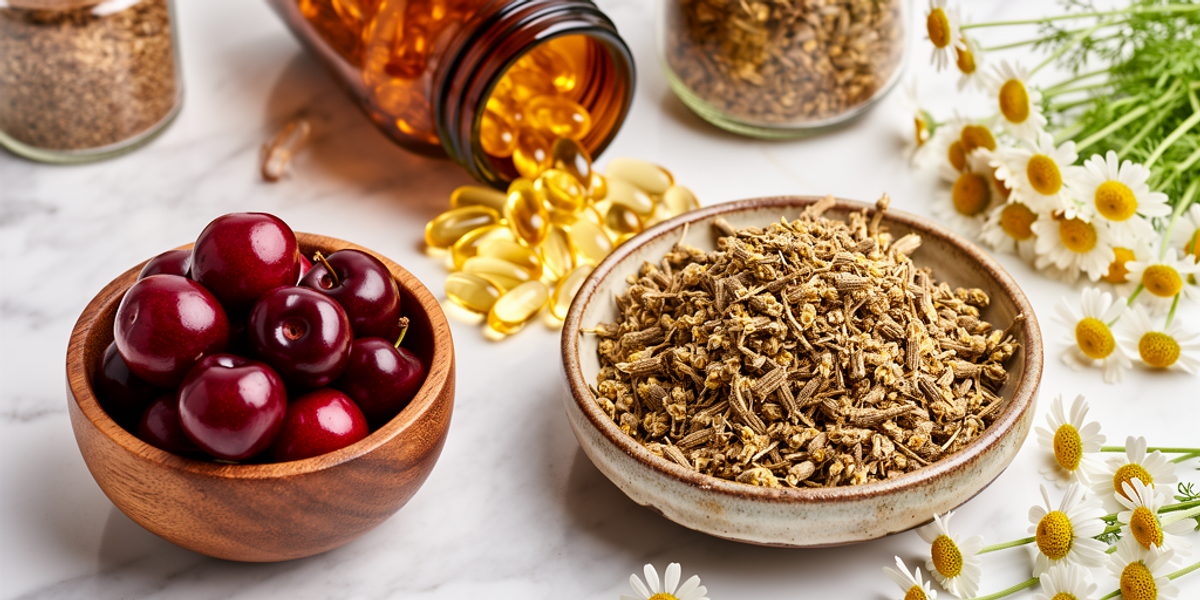
Tart cherries are one of the very few natural food sources of melatonin, the hormone that dictates our circadian rhythm. But the benefits do not stop there. Tart cherries are also rich in proanthocyanidins, which are powerful antioxidants. Research suggests that these compounds help increase the availability of tryptophan (an amino acid precursor to serotonin and melatonin) and reduce inflammation. For women who struggle with sleep due to achy joints, muscle soreness from workouts, or general bodily discomfort, this dual action of gentle melatonin and anti-inflammatory support can be a game-changer.
How to Use It
You might try drinking about 8 ounces of tart cherry juice, or 1 to 2 tablespoons of tart cherry juice concentrate mixed with a little water or sparkling water, about an hour before bed. Many women find that creating a 'sleepy girl mocktail'—mixing tart cherry juice concentrate with a little magnesium powder and sparkling water—creates a beautiful, relaxing evening ritual that feels like a treat rather than a chore.
Chamomile: Much More Than a Comforting Placebo
Chamomile tea is the quintessential bedtime beverage, often dismissed as merely a soothing placebo. However, modern science has actually caught up with ancient wisdom, proving that this delicate little flower packs a legitimate, evidence-based punch when it comes to sleep support.
How It Works
The secret to chamomile's sleep-inducing power lies in a specific antioxidant called apigenin. Research suggests that apigenin binds to specific receptors in your brain—the very same GABA receptors that anti-anxiety medications target, though in a much milder, more natural way. This binding action helps decrease anxiety and initiate sleep.
Furthermore, the physical act of drinking a warm cup of tea can profoundly impact your sleep architecture. When you drink a hot beverage, your blood vessels dilate, pushing blood to the surface of your skin. This naturally causes your core body temperature to drop shortly afterward. A drop in core body temperature is one of the primary biological signals your body uses to know it is time to sleep.
How to Use It
To get the clinical benefits, you need a strong brew. You might try steeping two or three high-quality chamomile tea bags in a covered mug for a full 10 to 15 minutes. Covering the mug keeps the volatile essential oils from evaporating into the air, ensuring they end up in your cup (and your body) instead.
Valerian Root: The Heavy Hitter for Deep Rest
Valerian root has been used since ancient Greek and Roman times to ease insomnia, nervousness, and trembling. It is often considered one of the stronger natural sleep aids available, making it a wonderful option for periods of acute stress or deeply ingrained sleep struggles.
How It Works
Like many of the aids on this list, valerian root interacts with GABA in the brain. However, research suggests that valerian doesn't just stimulate GABA receptors; it actually prevents the breakdown of GABA in the brain, allowing this calming neurotransmitter to linger longer. This can result in a deeper, more sustained sense of tranquility.
What to Know Before You Try It
Valerian root has an earthy, distinct scent that some people lovingly compare to old gym socks. If you cannot get past the smell of the tea or tincture, capsules are a great alternative. Typical dosing ranges from 300mg to 600mg taken an hour before bed.
It is important to note that valerian root operates a bit differently than magnesium or L-theanine. While some women feel the effects immediately, many women find that valerian works best when taken consistently over a period of two to four weeks. It gently builds up in your system, gradually shifting your sleep architecture over time.
Building Your Personal Sleep Toolkit
When exploring natural sleep aids, the most supportive approach is one of gentle experimentation. Please resist the urge to buy all five of these supplements and take them all at once tonight. When we overwhelm our nervous systems with too many changes, it is impossible to know what is actually helping and what might be causing morning grogginess.
Instead, you might try selecting just one option that resonates with your specific sleep struggle. If you carry physical tension in your jaw and shoulders, you might start with magnesium glycinate. If your mind is racing with tomorrow's to-do list, L-theanine might be your first step. Give your chosen aid a week or two to work its magic. Pay attention to how you feel not just when you fall asleep, but how you feel when you wake up.
A quick note of care: Natural does not always mean harmless. If you are pregnant, nursing, navigating a hormone-sensitive condition, or taking prescription medications (especially antidepressants, anti-anxiety meds, or blood pressure medication), please check in with your healthcare provider before adding new supplements to your routine. They can help you ensure there are no unintended interactions.
A Gentle Reminder About Sleep
Supplements and natural aids are wonderful tools, but they are just that—tools. They cannot outright replace the foundational need for a cool, dark room, a break from the blue light of our screens, and a lifestyle that allows for moments of rest during the waking hours.
If you are going through a season of life right now where sleep is broken or elusive, please try to offer yourself deep compassion. Stressing over the fact that you aren't sleeping only creates more cortisol, pushing sleep further away. Trust that your body knows how to rest, and sometimes, it just needs a little bit of gentle, science-backed support to find its way back to balance. May tonight bring you the quiet, restorative peace you so deeply deserve.