The Ripple Effect: How Movement Connects to Every Pillar of Your Balance Score

Discover how gentle, joyful movement acts as the connecting thread in your wellness journey, naturally supporting better sleep, vibrant energy, lower stress, and mindful nourishment.
Have you ever looked at your daily wellness habits and felt like you were juggling a dozen fragile glass balls? We often compartmentalize our well-being, treating sleep, stress, energy, nutrition, and movement as separate chores on an endless to-do list. When life gets busy—and let's be honest, life is almost always busy—it is incredibly easy to feel overwhelmed by the sheer amount of effort it takes to simply feel "okay."
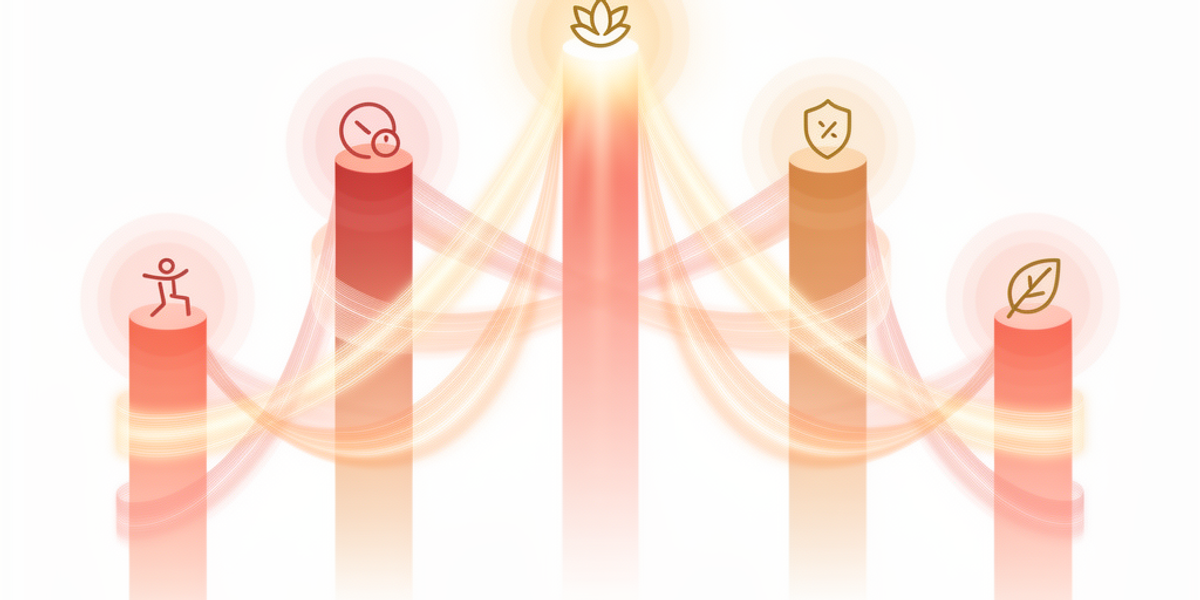
But what if we shifted our perspective? What if, instead of viewing these aspects of our health as separate, demanding tasks, we saw them as an interconnected web? In the framework of your Balance Score—which encompasses the core pillars of Sleep, Energy, Stress, Nutrition, and Movement—there is one pillar that acts as a gentle, powerful catalyst for all the others.
That catalyst is movement.
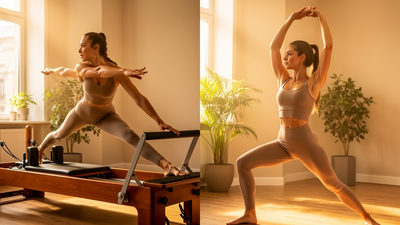
For far too long, diet culture has framed movement as a punishment, a way to "earn" food, or a grueling obligation meant to shrink our bodies. Let's leave that toxic narrative at the door. Here, we are redefining movement as a tool for connection. It is a way to come home to yourself. When you begin to move your body in ways that feel safe, joyful, and supportive, a beautiful ripple effect occurs across your entire Balance Score. Let's explore how this single, compassionate practice strengthens your entire wellness foundation.
The Foundation of Rest: How Movement Deepens Your Sleep
If you have ever stared at the ceiling at 2:00 AM, your mind racing through tomorrow's to-do list, you know how elusive a good night's rest can be. We often try to force sleep with perfect evening routines, yet we wake up feeling unrefreshed.
Research suggests that our bodies are designed to experience a natural rhythm of exertion and rest. When we engage in joyful movement during the day, we help build what sleep scientists call "sleep pressure." This is the natural, physical drive to sleep that accumulates the longer we are awake and active. By moving our bodies, we essentially help our biological clocks understand the difference between daytime wakefulness and nighttime rest.
Furthermore, movement helps regulate our core body temperature. When you engage in physical activity, your body temperature rises, and the subsequent drop in temperature in the hours afterward signals to your brain that it is time to sleep.
Gentle Takeaways for Sleep
To support your sleep pillar through movement, you don't need to run a marathon. You might try incorporating a brisk morning walk. Exposure to morning sunlight combined with movement helps set your circadian rhythm for the entire day. In the evening, if you feel wired, gentle, floor-based stretching or restorative yoga can help transition your nervous system from the active "fight or flight" state to the "rest and digest" state, preparing your body for deep, restorative slumber.
The Spark of Vitality: How Movement Creates Energy
It sounds like a complete paradox: how can expending energy give you more energy? When you are hitting that notorious 3:00 PM afternoon slump, the last thing you probably want to do is move. The couch or a second cup of coffee calls your name loudly.
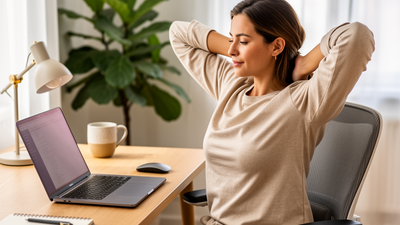
Yet, many women find that stepping away from their desks or daily chores for just ten minutes of movement provides a more sustainable, jitter-free energy boost than any caffeinated beverage.
On a cellular level, movement increases blood flow and oxygen to the brain and muscles. It also stimulates the production of mitochondria—the powerhouses of our cells that are responsible for creating energy. When we are sedentary for long periods, our bodily systems slow down to conserve resources, leaving us feeling sluggish, foggy, and lethargic. Gentle movement acts as a loving wake-up call to your system, reminding your cells to active and vibrant.
Gentle Takeaways for Energy
When you feel your energy dipping, pause and assess what your body needs. You might try "exercise snacking"—short, joyful bursts of movement throughout the day. This could look like dancing to two of your favorite upbeat songs in the kitchen, doing a few gentle wall push-ups, or taking a five-minute stroll around the block. You do not need to break a sweat to reap the energetic benefits; you simply need to change your physical state to shift your mental state.
The Release Valve: How Movement Softens Stress
Women today carry an immense invisible load. We manage households, careers, relationships, and the endless mental chatter of daily responsibilities. All of this stress doesn't just live in our minds; it takes up residence in our bodies. It tightens our jaws, hikes our shoulders up to our ears, and creates a shallow, rapid breathing pattern.
When we experience stress, our bodies release a cascade of hormones, including cortisol and adrenaline, preparing us to physically run or fight. But in our modern world, the "threat" is usually an overflowing inbox or a toddler's tantrum—things we cannot physically run away from. As a result, those stress hormones stay trapped in our bodies.
Movement is the most effective way to complete the stress cycle. It signals to your nervous system that you have successfully navigated the threat and that it is now safe to relax.
Gentle Takeaways for Stress
If you are feeling overwhelmed, remember that movement can be a release valve. You might try somatic shaking—literally standing up and gently shaking your hands, arms, and legs to release built-up tension, much like an animal does after a stressful encounter. Alternatively, a mindful walk in nature, often referred to as "green exercise," has been shown to significantly lower cortisol levels. The goal here is not to burn calories, but to burn off the biochemical residue of a stressful day. Let the movement be a physical exhale.
The Mindful Connection: How Movement Inspires Nourishment
For many of us, the relationship between movement and food has been deeply fractured by diet culture. We have been taught to view food as something to be earned through grueling workouts, or workouts as a way to "burn off" what we've eaten. This transactional view of nutrition and movement is exhausting and disconnects us from our body's true wisdom.
When we approach movement from a place of self-care rather than self-control, something beautiful happens to our nutrition pillar. Joyful movement increases our interoception—our ability to feel and understand the internal sensations of our bodies.
When you are connected to your physical self through regular, mindful movement, you naturally become more attuned to your body's hunger and fullness cues. Many women find that when they move in ways that make them feel strong, stable, and cared for, they organically crave foods that provide genuine nourishment and sustained energy. You begin to eat to support your vibrant life, rather than eating out of stress, boredom, or emotional disconnection.
Gentle Takeaways for Nutrition
Try to decouple your movement from your meals. Instead of thinking, "I need to walk because I ate a big lunch," reframe it as, "I am going to take a walk to help my digestion and clear my mind." You might try taking a moment after you move to place a hand on your heart and ask your body what it needs to replenish. Whether that is a crisp apple, a comforting bowl of soup, or simply a tall glass of water, trust that your body, when listened to, knows exactly how to nourish itself.
Honoring Your Unique Rhythm and Body
As we explore this beautiful, interconnected Balance Score, it is vital to acknowledge that every woman's body and life is profoundly different. There is no one-size-fits-all approach to wellness, and what feels like joyful movement to one person might feel inaccessible or exhausting to another.
Maybe you are in a season of life with a newborn, and your movement consists entirely of pacing the floor while bouncing a baby. Maybe you live with a chronic illness or chronic pain, and a "good movement day" means doing gentle neck stretches while seated in a chair. Maybe you are navigating the hormonal shifts of perimenopause, and the high-intensity workouts you used to love suddenly leave you feeling depleted rather than energized.
All of these experiences are valid. All of this movement counts.
Wellness is not a rigid destination; it is a fluid, ongoing conversation with your body. Toxic positivity tells us we just need to "push through" the pain or fatigue, but true holistic health requires deep self-compassion. If your energy is low or your stress is high, adjusting your movement to be softer and slower is not a failure—it is a brilliant adaptation. It is proof that you are listening to your body's whispers before they turn into screams.
Your Next Gentle Step
The Balance Score is not a test you can fail. It is simply a mirror, reflecting areas of your life that might need a little extra tenderness and care. By gently pulling the thread of movement, you can effortlessly support your sleep, boost your energy, ease your stress, and inspire mindful nutrition.
As you step into the rest of your day, I invite you to ask yourself one simple question: How does my body want to move today?
Don't overthink it. Don't consult a fitness app or a rigid schedule. Just listen. Whether the answer is a deeply restorative child's pose on the living room rug, a brisk walk in the crisp evening air, or a spontaneous kitchen dance party while dinner is simmering—honor that impulse. Embrace movement as your loyal companion on this journey toward balance, and watch how beautifully the rest of your life falls into rhythm.