Meal Planning for Real Life: A Flexible Framework That Doesn't Feel Rigid

Ditch the rigid spreadsheets. Discover a gentle, flexible approach to meal planning that reduces decision fatigue, honors your energy levels, and embraces mix-and-match components for real-life wellness.
It is 5:15 PM on a Tuesday. You are standing in front of the open refrigerator, bathed in its harsh fluorescent light, staring at a half-wilted head of lettuce, a block of cheese, and a random assortment of condiments. You are hungry, you are tired from a long day, and the dreaded question looms heavy in the air: What is for dinner?
If this scenario sounds intimately familiar, please know that you are far from alone. Research suggests that we make over 200 decisions about food every single day. By the time evening rolls around, our cognitive reserves are entirely depleted. This phenomenon, known as decision fatigue, is a very real, scientifically documented experience. It is no wonder that the simple act of choosing what to cook can feel like climbing a mountain.
For years, the wellness industry has offered a seemingly simple solution to this problem: meal planning. But too often, traditional meal planning is presented as a rigid, military-style operation. It involves color-coded spreadsheets, hours of Sunday prep, and perfectly portioned, identical meals stacked neatly in glass containers.
While that approach works beautifully for some, many women find that rigid meal planning ultimately creates more stress than it alleviates. Life is unpredictable. You might have to stay late at work, your energy levels might plummet unexpectedly, or you simply might not be in the mood for the chicken broccoli stir-fry you planned three days ago. When we inevitably deviate from the "perfect" plan, we often end up feeling guilty or like we have somehow failed.
Every woman's body, schedule, and relationship with food is entirely unique. There is no one-size-fits-all approach to nourishing ourselves. That is why it is time to redefine how we approach feeding ourselves. We need a system that supports us rather than restricts us—a flexible framework that reduces decision fatigue without requiring absolute perfection.
Here is how you can build a gentle, adaptable meal planning system for real life.
The Problem with the "All or Nothing" Approach
Before diving into the framework, it is important to unpack why traditional meal planning often feels so heavy. Much of the advice surrounding food prep is deeply rooted in diet culture, which subtly teaches us that we must control our food intake with absolute precision.
This "all or nothing" mentality sets us up for frustration. When we view meal planning as a strict set of rules rather than a supportive tool, any deviation feels like a failure. But eating should not be an exercise in discipline; it should be a way to nourish and comfort your body.
Instead of planning exactly what you will eat for every single meal, you might try viewing meal planning as creating a safety net. The goal is not to dictate your diet, but simply to make it easier for your future self to put a satisfying meal on the table when your energy is running low.
Pillar 1: The Magic of Theme Nights (Deciding Without Deciding)
One of the most effective ways to combat decision fatigue is to narrow your options. Staring at an infinite universe of potential recipes is paralyzing. Theme nights provide a gentle structure that guides your choices without locking you into a specific recipe.
Many women find that assigning a loose theme to certain days of the week drastically reduces the mental load of meal planning.
Here are a few examples of how this might look:
- Meatless Monday: A night dedicated to plant-based meals. Think lentil soup, black bean quesadillas, or a hearty vegetable curry.
- Taco Tuesday: This doesn't have to literally be tacos. It can be burrito bowls, nachos, or fajitas. The flavor profile is decided; the execution is flexible.
- Pasta Wednesday: Whether it is a quick jarred marinara with frozen meatballs or a complex homemade pesto, pasta is the anchor.
- Sheet Pan Thursday: The only rule is that the entire meal must be cooked on one pan in the oven, minimizing cleanup.
- "Whatever's Left" Friday: A night dedicated to clearing out the fridge. Mix and match leftovers, or create a "snack dinner" out of odds and ends.
You do not need to have a theme for every night of the week. Even implementing just two or three theme nights can significantly reduce your weekly decision fatigue.
Pillar 2: Mix-and-Match Components (Batching Without the Burnout)
Instead of cooking full, composed meals on a Sunday afternoon, you might try component prepping. This involves preparing a few versatile ingredients that can be mixed and matched throughout the week. It is like creating your own personal salad bar or taco stand in your fridge.
Component prepping honors the fact that our cravings and energy levels fluctuate. It allows you to assemble meals intuitively based on what sounds good in the moment.
A basic component prep might include:
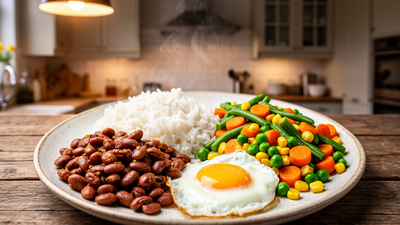
- One or two complex carbohydrates: Cook a batch of quinoa, roast some sweet potato wedges, or make a pot of brown rice.
- One or two proteins: Bake some tofu, roast a tray of chicken thighs, or prepare a batch of hard-boiled eggs.
- Washed and prepped vegetables: Wash your salad greens, chop some bell peppers for easy snacking, or roast a large tray of broccoli and cauliflower.
- A "flavor maker": This is the secret weapon of component prepping. Whip up a versatile sauce, like a tahini lemon dressing, a peanut sauce, or a bright chimichurri. A good sauce can tie the most random assortment of ingredients together into a cohesive, satisfying meal.
When Wednesday night rolls around, you don't have to cook from scratch. You simply grab a handful of greens, scoop in some rice and protein, add your roasted veggies, and drizzle your flavor maker over the top. It is a satisfying, nourishing bowl assembled in less than five minutes.
Pillar 3: The "Low-Battery" Pantry and Freezer
No matter how well you plan, there will be days when your battery is at one percent. You don't have the energy to chop an onion, let alone assemble a component bowl. This is where your "low-battery" pantry and freezer come to the rescue.
A well-stocked pantry is the ultimate act of self-care. It is a gift you give to your exhausted future self. The key is to stock items that require zero mental energy and minimal physical effort to prepare.
Some excellent low-battery staples include:
- Frozen dumplings or potstickers: Boil them to package directions and serve with a side of steamed frozen edamame.
- Boxed macaroni and cheese: Stir in some frozen peas and a handful of spinach at the end of the cooking time for added nourishment.
- High-quality canned soups: Pair with a piece of heavily buttered toast for a deeply comforting meal.
- Canned beans and legumes: Toss chickpeas with olive oil, lemon juice, and whatever herbs you have on hand for a quick, filling salad.
- Frozen vegetable medleys: Perfect for throwing into a quick stir-fry or adding bulk to a jarred pasta sauce.
Remove any moral labels from these foods. A frozen pizza or a box of mac and cheese is not a "bad" dinner. It is a practical, satisfying solution for a busy life. Nourishment comes in many forms, and sometimes, the most nourishing thing you can do for your body and mind is to choose the easiest option available.
Pillar 4: Redefining "Dinner"
To truly embrace a flexible framework, we have to let go of the societal expectation of what dinner "should" look like. Dinner does not have to consist of a neatly divided plate with a protein, a starch, and a vegetable. It does not have to be hot. It does not have to take an hour to prepare.
Have you ever had a "snack plate" for dinner? Many women find immense joy in arranging crackers, cheese, a handful of nuts, some sliced fruit, and maybe a few slices of deli meat on a plate. It requires zero cooking, uses up odds and ends in the fridge, and feels strangely luxurious.
Breakfast for dinner is another wonderful way to break the rules. Scrambled eggs and toast can be on the table in five minutes and provide entirely satisfying nourishment.
Listen to your body. If a heavy, traditional meal sounds unappealing, honor that. If you are craving comfort food, honor that. A flexible meal plan makes room for your humanity.
Practical Steps to Build Your Flexible Framework
If you want to transition away from rigid meal planning and embrace this gentler approach, here are a few actionable takeaways to try this week:
1. Take a Gentle Inventory
Before you go to the grocery store, take five minutes to look in your fridge, freezer, and pantry. What needs to be eaten? Let those ingredients inspire your loose plan for the week. This reduces food waste and saves money.
2. Pick Just Two Themes
Do not overwhelm yourself by trying to theme every night of the week. Pick two days to experiment with. Maybe declare Tuesday as "Taco Night" and Thursday as "Pasta Night." See how it feels to have those decisions already made for you.
3. Prep Components, Not Meals
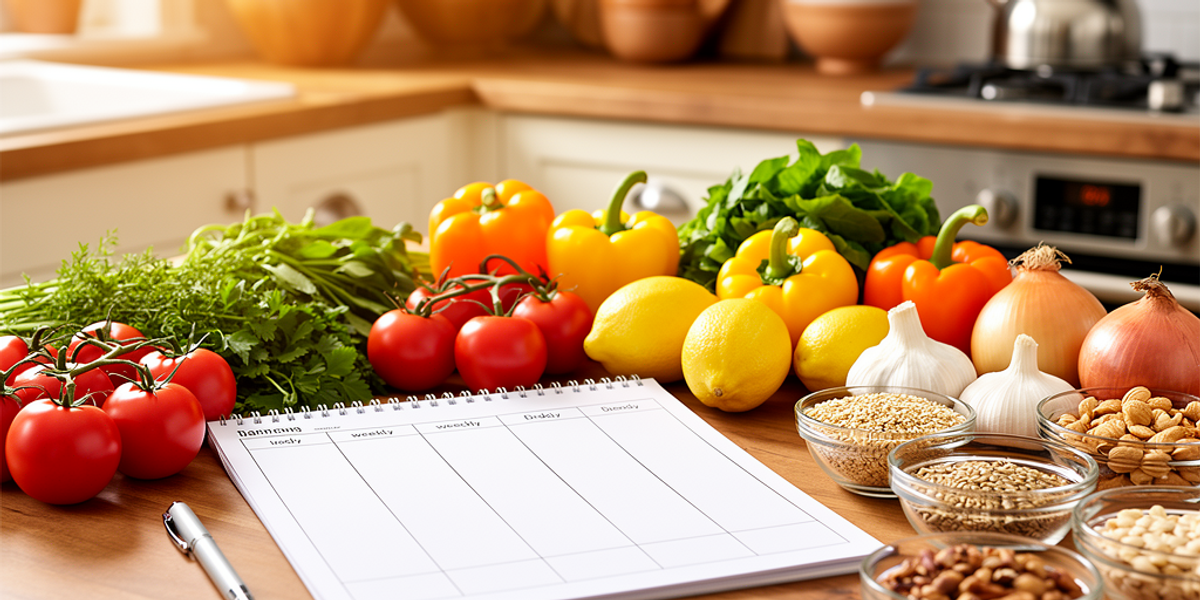
Choose one grain, one protein, and one vegetable to prepare on your day off. Store them in separate containers. Notice how much easier it is to assemble lunches or quick dinners when you have these building blocks ready to go.
4. Stock Three "Low-Battery" Meals
Ensure you have the ingredients for at least three zero-effort meals in your house at all times. Whether it is frozen tortellini, canned soup, or the makings for a robust sandwich, know that you have a fallback plan when life gets chaotic.
5. Give Yourself Grace
The most important component of a flexible framework is self-compassion. If you buy groceries with the intention of cooking and end up ordering takeout three nights in a row, be gentle with yourself. You are not failing; you are simply navigating a busy life. The groceries will be there tomorrow.
Finding Your Unique Rhythm
Ultimately, meal planning should not feel like a second job. It should be a fluid, adaptable tool that ebbs and flows with the reality of your life. By embracing theme nights, relying on component prep, stocking a low-battery pantry, and redefining what constitutes a "proper" meal, you can drastically reduce your decision fatigue.
Remember, the goal is not perfection—it is peace. It is about creating a supportive environment where feeding yourself feels less like a chore and more like an act of gentle self-care.
As you move forward this week, I encourage you to look at your kitchen not as a place of obligation, but as a space of flexibility. What is one "low-battery" meal you can add to your grocery list this week to support your future self? Give yourself permission to make it easy, keep it flexible, and honor exactly where you are today.