Nourishing Your Body Through Every Decade: The Nutrients Women Need Most

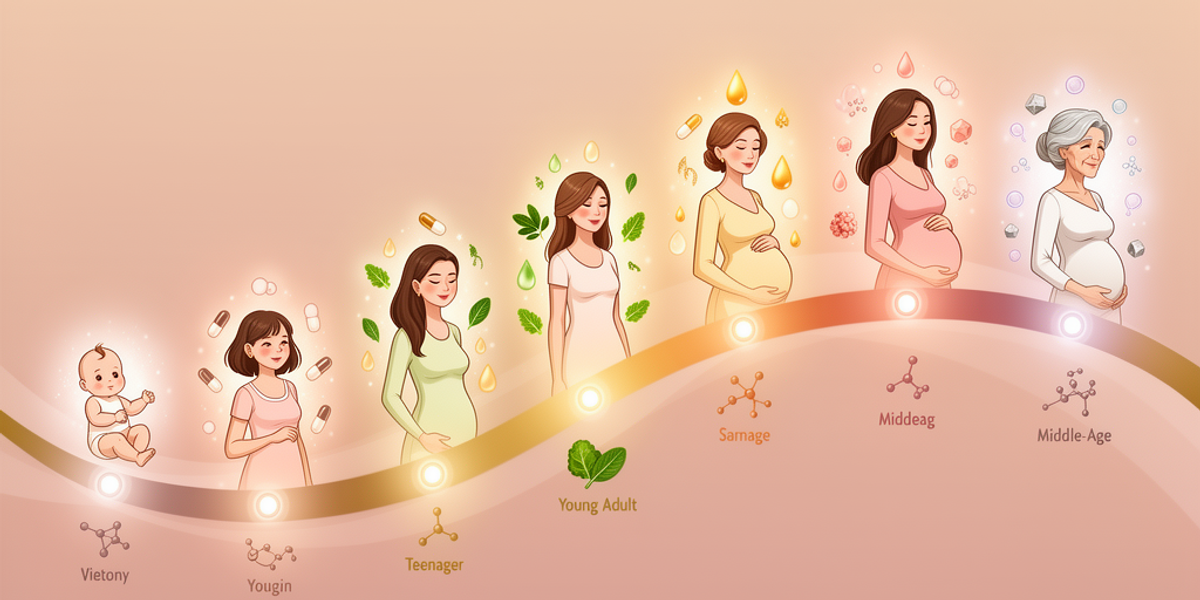
Discover a decade-by-decade guide to the essential nutrients women need most. From iron in your 20s to vitamin D in your 50s, learn how to gently support your body's changing needs at every life stage without stress or restriction.
If you pause to think about it, a woman's body is nothing short of miraculous. It is a dynamic, ever-shifting ecosystem that carries us through the hustle of early adulthood, the profound transitions of our middle years, and the deep wisdom of our later decades. With each passing phase, our physical, hormonal, and emotional landscapes evolve. It only makes sense that the nourishment we provide our bodies should evolve, too.
For decades, women have been bombarded with rigid dietary rules, confusing trends, and the exhausting pressures of diet culture. We are frequently told what to cut out, what to shrink, and how to "fix" ourselves. But what if we shifted the conversation? What if, instead of focusing on restriction, we focused on gentle, abundant nourishment?
Nutrition isn't about perfection. It is about giving your body the tools it needs to thrive right where it is today. Every woman's body and life is incredibly different, and there is no such thing as a one-size-fits-all approach to wellness. However, research suggests that certain biological shifts occurring in each decade can guide us toward the nutrients our bodies might be craving most.
Here is a supportive, decade-by-decade guide to the nutritional priorities that can help you find balance, energy, and vitality at every stage of life.
Your 20s: Laying the Groundwork
Your 20s are often characterized by exploration, building your career, navigating new relationships, and figuring out who you are. It is a beautiful, messy, and often exhausting decade. Biologically, this is a foundational time. Your body is finalizing its peak bone mass, and for many women, menstruation is a regular, monthly occurrence that demands a lot of energy and resources.
The Nutrient Priority: Iron
Because of regular blood loss during menstruation, iron is a critical nutrient during this decade. Iron is responsible for producing hemoglobin, which carries oxygen throughout your body. Research suggests that a significant number of menstruating women fall short of their iron needs, which can lead to that heavy, bone-deep fatigue, difficulty concentrating, and feeling unusually out of breath.
How to Support Your Body
You might try incorporating more iron-rich foods into your meals, but remember to be gentle with yourself—budget constraints and busy schedules are real in your 20s.
- Heme iron (animal-based): If you eat meat, foods like beef, poultry, and fish are excellent sources of easily absorbed iron.
- Non-heme iron (plant-based): Lentils, spinach, tofu, and pumpkin seeds are wonderful additions.
- A helpful tip: Many women find that pairing plant-based iron with a source of Vitamin C (like a squeeze of lemon over your spinach, or having strawberries with your fortified cereal) significantly boosts absorption.
Don't Forget: Calcium
Your 20s are the closing window for building your skeletal foundation. By age 30, you have built almost all the bone mass you will ever have. Adding calcium-rich foods—like yogurt, fortified plant milks, almonds, and leafy greens—can help you bank that bone density for the future.
Your 30s: Navigating Transitions and Stress
For many women, their 30s bring a complex juggling act. You might be stepping into more responsibilities at work, caring for young children, or simply carrying the invisible mental load that often accompanies this stage of life. Stress levels can easily peak, and your body needs extra support to maintain equilibrium.
The Nutrient Priority: Folate and Magnesium
Folate (Vitamin B9) is most famous for its role in healthy pregnancies, helping to form the neural tube in early fetal development. But even if motherhood is not in your plans, folate is absolutely essential. It supports cellular repair, red blood cell formation, and the synthesis of neurotransmitters like serotonin and dopamine, which help regulate your mood.
Equally important in your 30s is magnesium. Often called the "relaxation mineral," magnesium is depleted by high stress levels—and let's be honest, the 30s can be inherently stressful.
How to Support Your Body
Instead of stressing over hitting exact milligrams, think about how you can add color and comfort to your plate.
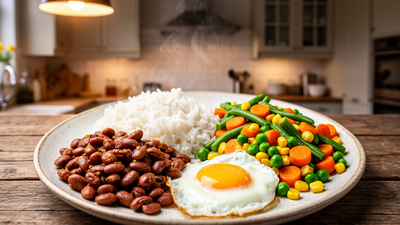
- For Folate: Dark leafy greens (like kale and Swiss chard), asparagus, avocado, and beans are fantastic sources. A comforting bowl of black bean soup or some avocado toast are wonderful ways to nourish yourself.
- For Magnesium: You might try keeping a jar of pumpkin seeds or almonds on your desk for easy snacking. Dark chocolate is also a joyful and delicious source of magnesium.
- A helpful tip: Many women find that an Epsom salt bath (which contains magnesium sulfate) before bed not only helps soothe tired muscles but also provides a quiet moment of much-needed self-care.
Your 40s: Preparing for the Shift
Your 40s are a time of profound self-knowledge and stepping into your power. It is also the decade where the perimenopause transition typically begins. You might not notice major changes right away, but your hormones—particularly estrogen and progesterone—are beginning to fluctuate. These shifts can influence your metabolism, your sleep patterns, your joint comfort, and your heart health.
The Nutrient Priority: Calcium and Omega-3s
As estrogen levels begin to slowly decline during perimenopause, your bones lose some of their natural protection. Calcium takes center stage once again to help preserve the bone density you built in your 20s.
Additionally, Omega-3 fatty acids become incredibly valuable. Research suggests that these healthy fats play a vital role in reducing inflammation, supporting heart health, and even easing some of the cognitive "brain fog" or mood swings that can accompany hormonal fluctuations.
How to Support Your Body
This is a great time to focus on foods that make your joints feel fluid and your mind feel sharp.
- For Calcium: Dairy products remain a strong choice, but if you prefer plant-based options, look to calcium-set tofu, chia seeds, edamame, and fortified beverages.
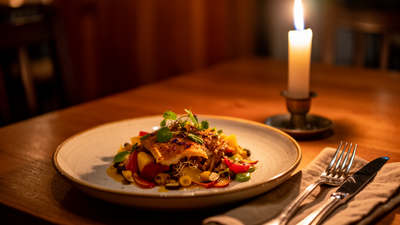
- For Omega-3s: Fatty fish like salmon, sardines, and mackerel are powerhouses. If you don't eat fish, walnuts, flaxseeds, and hemp hearts are excellent alternatives.
- A helpful tip: You might try sprinkling hemp hearts over your morning oatmeal or blending them into a smoothie. It is a tiny, low-effort addition that yields wonderful benefits for your brain and body.
Your 50s and Beyond: Embracing the New Normal
Reaching your 50s, 60s, and beyond is a beautiful privilege. This is the era of menopause and post-menopause. The hormonal fluctuations have largely settled, but your body is operating in a new landscape. Longevity, maintaining your physical strength, and supporting your immune system become the primary focuses of your wellness journey.
The Nutrient Priority: Vitamin D, B12, and Protein
Vitamin D works hand-in-hand with calcium to protect your bones, but as we age, our skin becomes less efficient at synthesizing Vitamin D from sunlight.
Similarly, our digestive system changes. Research suggests that as we get older, our stomachs produce less of the acid needed to absorb Vitamin B12 from food. B12 is crucial for nerve function and keeping your energy levels stable. Finally, muscle mass naturally declines with age, making adequate protein intake essential for maintaining your strength and independence.
How to Support Your Body
Nourishment in this stage is all about preservation, warmth, and vitality.
- For Vitamin D: While you can find it in fortified milks, egg yolks, and certain mushrooms, Vitamin D is notoriously difficult to get from food alone. Many women find that a high-quality Vitamin D supplement, chosen with the guidance of a healthcare provider, makes a profound difference in their energy and bone health.
- For B12: Nutritional yeast, fortified cereals, and animal products are good sources. Similar to Vitamin D, a supplement might be a gentle, effective way to ensure you are getting enough.
- For Protein: You don't need to consume massive protein shakes. Simply focus on including a source of protein at every meal—a scoop of Greek yogurt, a piece of baked fish, a handful of nuts, or a serving of lentils.
How to Tune Into Your Unique Needs
While this decade-by-decade guide offers a broad roadmap, it is deeply important to remember that you are the ultimate expert on your own body. A woman in her 30s dealing with a digestive issue might have the nutrient needs more typical of someone in their 50s. A woman in her 20s eating a fully plant-based diet will have different priorities than someone who eats meat.
Bio-individuality means that your genetics, your lifestyle, your stress levels, and your joy all play a part in what your body requires.
Rather than guessing, you might try scheduling a comprehensive blood panel with your primary care doctor or a registered dietitian. Having baseline data on your iron, Vitamin D, and B12 levels takes the guesswork out of nutrition and allows you to support your body with exactly what it needs, without wasting money on unnecessary supplements.
A Gentle Step Forward
True wellness is never about punishing yourself or striving for an unattainable ideal. It is about waking up each day and asking your body, "How can I support you today?" Some days, support looks like a beautifully composed salad packed with dark leafy greens and wild-caught salmon. Other days, support looks like a bowl of macaroni and cheese and a long nap. Both are valid. Both are part of a balanced life.
As you move through your current decade, try to release the pressure of eating perfectly. Instead, focus on what you can gently add to your plate to promote vitality and joy.
Take a deep breath. Acknowledge everything your body has carried you through so far. What is one small, nourishing step you can take today to honor the incredible vessel you call home?